For years, one of the biggest frustrations in American politics hasn’t been who wins elections. It’s how long it sometimes takes to find out.
Election Day comes and goes. Polls close. Initial results are reported. Then, in some states, ballots continue arriving and being counted for days afterward. In close races, the final outcome can remain uncertain long after Election Day has passed.
California has become one of the most well-known examples of this phenomenon. While many states report the overwhelming majority of their votes on election night, California can take days or even weeks to finish counting ballots and certify final results.
That may soon face a major legal challenge.
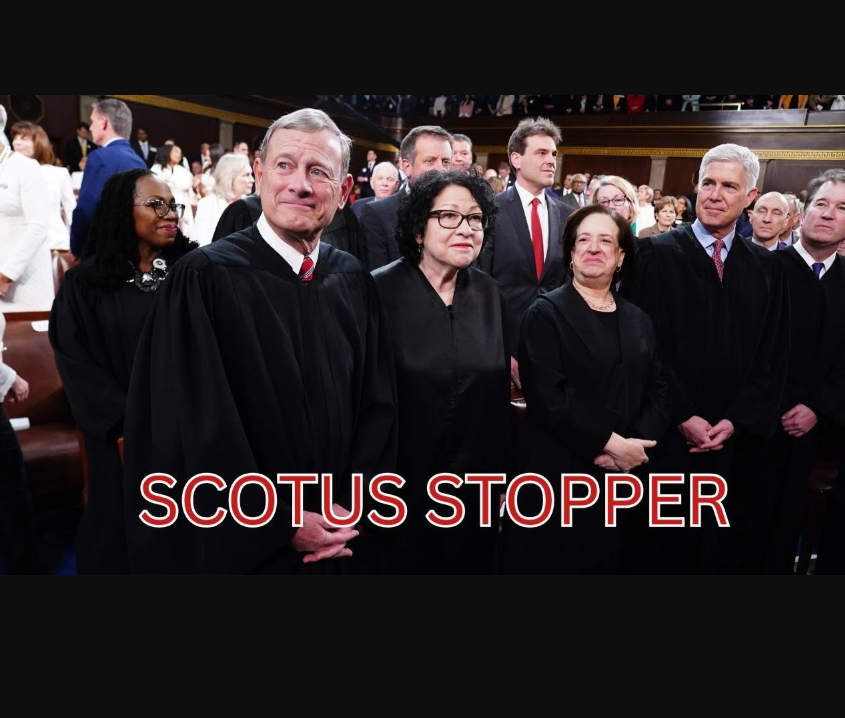
The U.S. Supreme Court is preparing to rule in a closely watched election case that could reshape how federal elections are conducted across the country.
The case, Watson v. Republican National Committee, centers on a surprisingly simple question: When federal law says Election Day is Election Day, does that mean ballots must be received by that day, or can states continue counting ballots that arrive afterward?
At the center of the dispute is a Mississippi law that allows absentee ballots to be counted if they are postmarked by Election Day and arrive within five business days after the election.
Supporters argue that voters shouldn’t lose their vote because of postal delays that are beyond their control.
Opponents argue that Congress already established a single national Election Day for federal races, and that counting ballots after that date effectively turns Election Day into Election Week. Republican challengers took that argument to federal court.
While a lower district court initially upheld Mississippi’s law, the U.S. Court of Appeals for the Fifth Circuit sided with the challengers and ruled that federal election law overrides the state’s post-Election Day grace period. Mississippi then appealed to the Supreme Court.
Now the justices are preparing to decide a question that reaches far beyond one state. Although the lawsuit originated in Mississippi, California could ultimately feel some of the biggest effects.
Current California law allows mail ballots to be counted after Election Day if they are postmarked by Election Day and received within the state’s legal deadline.
That system has become a frequent source of debate. Supporters say it ensures every legally cast vote gets counted.
Critics argue it contributes to lengthy vote-counting periods that leave major races unresolved long after Election Day has passed.
If the Supreme Court rules that federal law requires ballots to be received by Election Day, California and roughly 14 other states, along with Washington, D.C., may be forced to revise their procedures for federal elections.
The result could be significantly faster election outcomes in many races.
The justices heard oral arguments in March, and court observers closely watched how members of the Court reacted.
Several justices appeared interested in the challengers’ argument that Congress deliberately established one national Election Day and that states cannot extend federal elections beyond that date.
Some questioned how there can truly be a single Election Day if ballots continue arriving and being counted days later.
Others raised concerns about whether voters who mail ballots on time should be penalized because of delivery delays.
As with any Supreme Court case, questions during oral arguments don’t guarantee the final outcome.
Still, many legal analysts came away believing the challengers performed well and that at least some members of the Court appear skeptical of post-Election Day ballot receipt windows.
If the justices side with the challengers, states would likely be required to ensure ballots are received by Election Day in federal races.
That would create a more uniform national standard and likely reduce the prolonged counting periods that have become increasingly common in recent election cycles.
The Supreme Court is expected to issue its decision before the end of June.
And if the Court sides with the challengers, Americans may soon find that Election Day once again means exactly what it says.