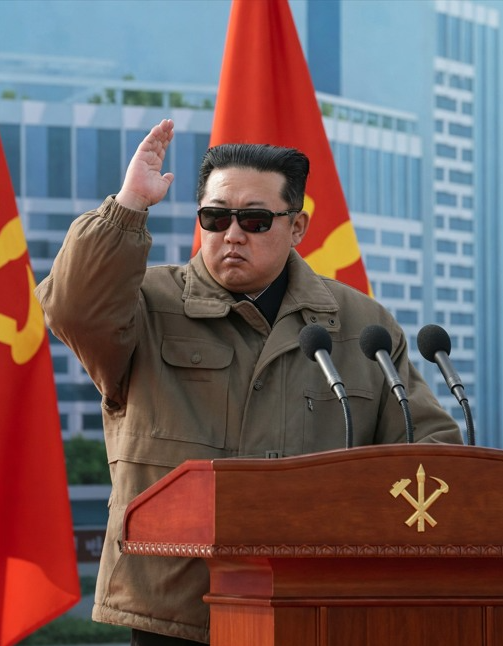
In an era defined by the rapid-fire dissemination of information, a wave of alarming headlines recently surged across the digital landscape, claiming that South Korea had issued a formal order to launch a military offensive against another nation. These reports, which were amplified across various social media platforms, sparked immediate concern, widespread debate, and a palpable sense of panic among global netizens. However, a rigorous journalistic investigation and verification process involving official government channels have confirmed that these sensationalist claims are entirely false. The situation serves as a stark reminder of the vulnerabilities inherent in the modern digital age, where rumors can often outpace the truth.
The viral narrative suggested that the administration in Seoul had authorized a preemptive strike, raising fears of a major escalation in East Asia. These claims often surfaced on fringe websites and social media feeds without any corroboration from reputable news agencies or official military spokespeople. In reality, the South Korean government has remained steadfast in its commitment to regional stability. Official statements have clarified that no such military order was ever contemplated or issued, emphasizing that the nation’s current posture is one of vigilant monitoring rather than aggressive action. The Ministry of National Defense continues to prioritize the safety of its citizens and the preservation of peace through established international protocols.
The rapid proliferation of this misinformation can be attributed to several modern digital phenomena that journalists and citizens must recognize. Firstly, Social Media Algorithms are designed to prioritize engagement, often pushing sensational or fear-inducing content to the forefront of user feeds regardless of its factual accuracy. Secondly, the psychological impact of Fear and Anxiety plays a significant role; news involving potential conflict triggers a survival instinct that encourages users to share information quickly to warn others. Lastly, the prevalence of Clickbait Headlines—crafted specifically to drive web traffic for advertising revenue—continues to undermine the integrity of the global information ecosystem by prioritizing clicks over verified facts.
To navigate such a volatile news environment, it is imperative for the public to rely on Trusted News Sources. Organizations with rigorous editorial standards, such as the Associated Press, Reuters, and the BBC, provide essential benchmarks for truth. Furthermore, official communiqués from the South Korean government serve as the only definitive sources for state-level military decisions. By cross-referencing alarming claims with these established entities, individuals can prevent themselves from becoming conduits for fake news and contribute to a more stable public discourse. Verification is not just the job of the journalist; it is a responsibility shared by every consumer of media.
South Korean Officials have consistently reiterated that their strategic focus lies in Diplomacy and international cooperation. Rather than pursuing unilateral military aggression, the government is engaged in deep-level discussions with Global Allies and neighboring states to ensure that tensions are managed through peaceful dialogue. Their primary objective remains the protection of public safety and the maintenance of a secure environment for both citizens and international residents within the Korean Peninsula. These diplomatic efforts are often less visible than sensational rumors but are the true foundation of regional security.
This incident serves as a critical case study in Media Literacy and public responsibility. When faced with news of a potential Military Conflict, the impulse to react and share must be tempered by Critical Thinking. A responsible news consumer should always question the source, look for multiple points of verification, and avoid the “share-first, verify-later” mentality that fuels digital hysteria. Responsible Consumption is the most effective defense against the destabilizing effects of viral rumors, ensuring that panic does not dictate public behavior or international perception.
Looking at the broader Global Context, it is clear that East Asian Geopolitics are highly sensitive to rumors. While the region does face genuine security challenges, the distinction between strategic military readiness and active Aggression is profound. Distorting this distinction through unverified reports not only causes unnecessary panic but can also lead to real-world diplomatic friction. It is essential to understand that military actions are subject to strict legal protocols and are rarely, if ever, announced via anonymous social media leaks. The international community relies on transparency and factual reporting to manage these complex relationships effectively.
Ultimately, the claim that South Korea ordered a military attack is a baseless fabrication. This situation underscores the enduring necessity of Journalistic Integrity and the public’s duty to remain skeptical of unverified digital content. By prioritizing Factual Accuracy over sensationalism and looking to Reputable Organizations for guidance, we can foster a more informed and less reactive global community. The path to security in the modern age is paved with Verified Information and diplomatic patience, not the volatile whims of viral misinformation.