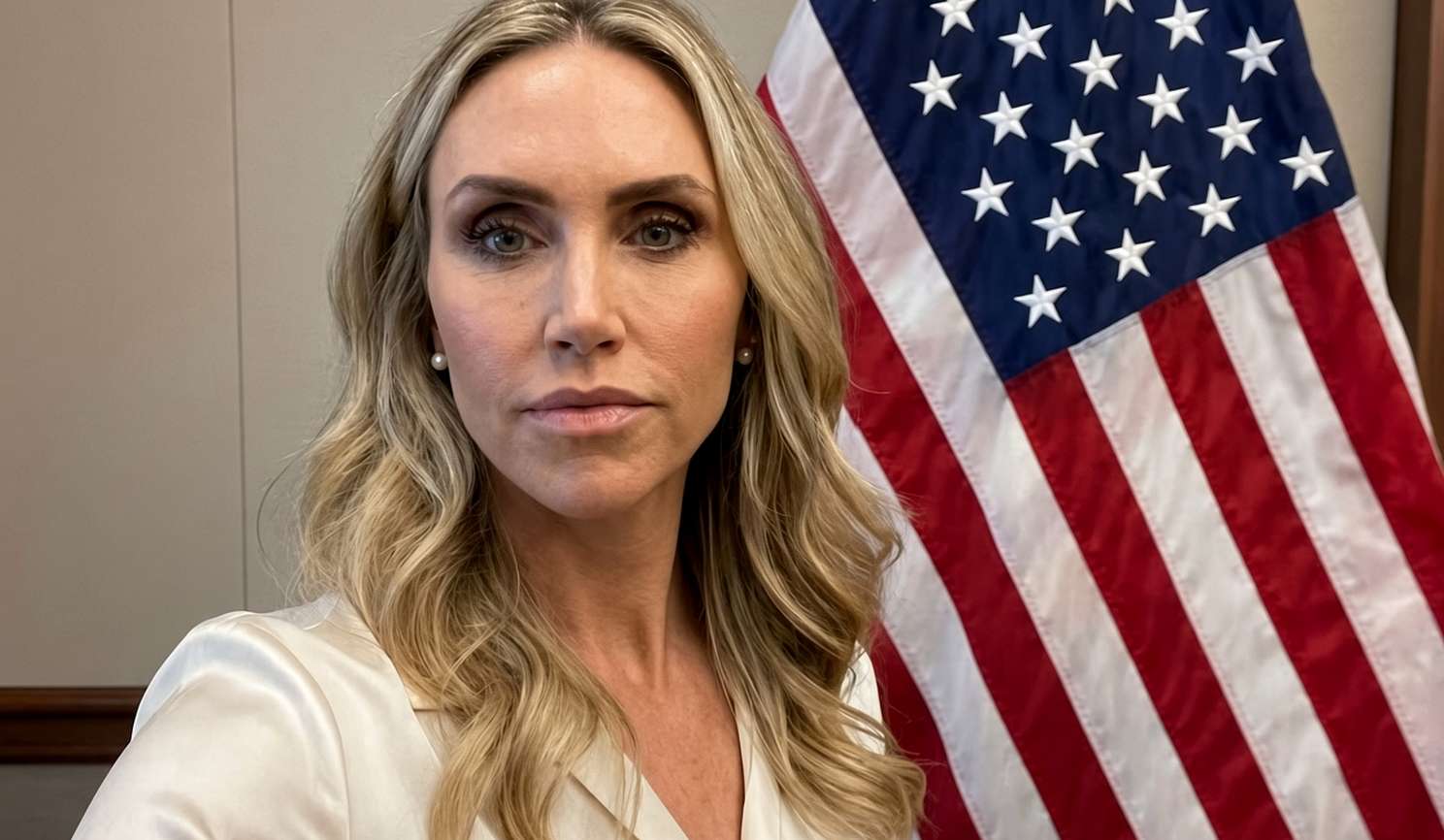
20 Minutes ago in Carolina, Lara Trump was confirmed asSee more
Lara Trump’s rise within the Republican National Committee marked a significant change in how the party planned to organize its campaign operations. The source describes her confirmation as RNC co-chair not simply as a promotion, but as a transfer of influence that tied the party’s machinery more closely to Donald Trump, his political priorities, and the future of his movement.
The decision placed fundraising, messaging, legal strategy, and campaign coordination under leadership
openly aligned with one dominant figure. Supporters welcomed the clarity. They argued that Republican voters had repeatedly demonstrated their loyalty to Trump and that the national committee should reflect the direction chosen by its base rather than resist it through internal bureaucracy.
Critics saw a different development. To them, elevating a close family member raised questions about independence, accountability, and whether the committee would serve all Republican candidates equally. A national party organization normally supports presidential, congressional, state, and local races at the same time. Concentrating its identity around one campaign could make those competing responsibilities harder to balance.
Down-ballot candidates therefore faced a practical test. Many needed the enthusiasm and donations associated with Trump while also speaking to voters focused on local concerns. The new structure suggested that visible loyalty might become an important measure of access and support. Longtime operatives accustomed to negotiating among several conservative factions would have to adapt to a more centralized culture.
The shift also carried financial consequences. The RNC is responsible for collecting donations, maintaining voter data, funding field operations, supporting litigation, and helping candidates communicate. If contributors believed every dollar primarily served the presidential campaign, some might give more enthusiastically, while others could redirect money to state parties or individual candidates. The result depended on whether unity produced efficiency or narrowed the coalition.
Lara Trump brought advantages beyond her family name. She had campaign experience, strong relationships with conservative media, and an ability to speak directly to the party’s most active supporters. Her public role could energize donors and volunteers who viewed the Trump family as inseparable from the modern Republican identity. Those strengths explained why loyalists considered her appointment overdue rather than unusual.
At the same time, family connections made every decision more politically sensitive.
Staffing changes, spending priorities, and legal expenses could be interpreted through the lens of personal loyalty. Even ordinary administrative choices might be seen as evidence of either necessary discipline or excessive control. Maintaining transparent procedures would therefore matter as much as delivering electoral results.
The broader issue extended beyond one election. Political parties must survive individual candidates, yet successful movements often reshape the institutions around them. The source argues that the RNC was being structurally reprogrammed around Trump. Whether that represented healthy responsiveness or a hostile merger depended largely on the observer’s view of his leadership and of the party establishment he displaced.
Republicans preparing for November needed to operate inside that reality rather than debate whether it existed. Candidates would still campaign on taxes, immigration, public safety, schools, and economic conditions, but national resources and attention would flow through a committee with a clearer ideological center. Cooperation could strengthen the ticket, while rigid loyalty tests could create new fractures.
Ultimately, Lara Trump’s confirmation symbolized a party choosing consolidation over internal distance. The immediate question was whether the arrangement would improve fundraising, organization, and turnout. The longer question was whether the Republican Party could preserve a durable institutional identity while becoming so closely connected to one leader and one family. Election results would offer the first judgment, but the organizational consequences could last much longer.
For both supporters and skeptics, the appointment made one point unmistakable: the committee’s future would be evaluated alongside Trump’s own political fortunes, not as a separate institution operating quietly in the background.