U.S. Military Strikes Cripple Russia’s S-400 and Iran’s Air Defenses in Major Escalation
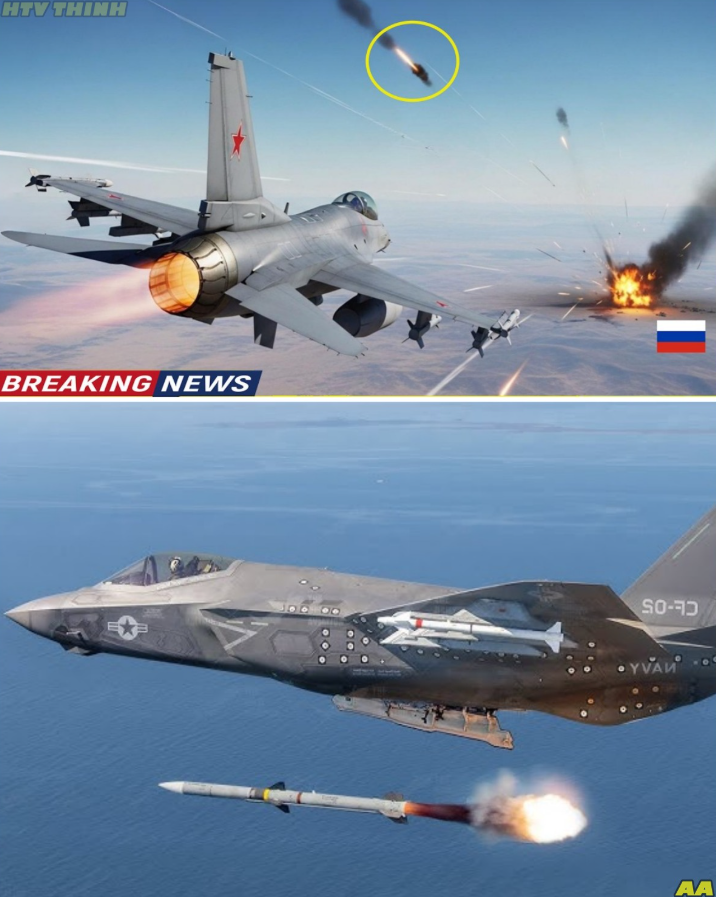
U.S. military strikes on Iranian air defense systems delivered a devastating opening blow in the ongoing conflict. In the early hours of March 2026, American forces destroyed a $500 million Russian S-400 Triumph battery in a surprise attack. This marked the start of a 60-hour campaign that neutralized over 1,000 high-value targets in the first 24 hours alone.
The strikes established air superiority before Iran could mount a meaningful response. Russian-supplied S-400, Bou M3, and Pantsir-S1 systems—long touted as unbreakable—were systematically dismantled. Iran’s prized Su-35 Flanker-E fighters remained grounded or destroyed before they could scramble.
This operation showcased integrated U.S. warfare at its most effective. Cyber, space, air, and naval assets worked in perfect coordination. The results reshaped the power balance in the Persian Gulf and sent shockwaves through Tehran and Moscow.
How the Opening Strike Unfolded
At 1:15 a.m. local time, a precision missile obliterated the S-400 site. No warning preceded the hit. U.S. Cyber Command and Space Command had already disrupted Iranian radar and GPS networks. This “blinding” effect left defenses blind to incoming threats.
Tomahawk cruise missiles soon followed. Launched from Arleigh Burke-class destroyers in the Gulf, they targeted long-range early-warning radars. Within 30 minutes the outer layer of Iran’s air defense network collapsed.
Stealth F-35 Lightning II fighters then entered the fight. Equipped with advanced sensors, they hunted mobile S-400 launchers—even those hidden near civilian areas. AGM-88 HARM missiles neutralized the remaining threats. By 3:00 a.m. B-2 Spirit bombers arrived overhead. Massive Ordnance Penetrators (MOPs) collapsed underground missile silos, trapping weapons inside.
Iran’s Counter-Moves Quickly Neutralized
Iran attempted a classic swarm defense. Fast attack boats raced toward U.S. carrier groups. The USS Mason’s Aegis system intercepted incoming missiles. MH-60R Seahawk helicopters engaged the boats before they could launch.
Mobile missile launchers tried to reposition on the southern flank. M142 HIMARS units destroyed them almost immediately. Iranian command communications broke down completely. Forces fell back to outdated radio and runner systems.
EA-18G Growler electronic attack aircraft flew overhead. They jammed frequencies and isolated commanders from troops. Iran’s once-formidable layered defenses lay in ruins.
Strategic Impact on the Persian Gulf
The operation protected a vital global artery. Roughly 20% of the world’s oil passes through the Strait of Hormuz every day. Any prolonged disruption would spike energy prices worldwide.
By neutralizing Iran’s anti-access/area-denial (A2/AD) capabilities, the U.S. ensured safe passage for commercial shipping. The USS Abraham Lincoln strike group remained on station, projecting power and deterring further aggression.
The speed and precision also sent a clear message to Moscow. Russia’s most advanced export air defense system proved vulnerable. This will likely affect future arms sales and strategic calculations.
Why This Campaign Succeeded So Quickly
Several factors combined for overwhelming dominance:
- Cyber and space domain superiority blinded Iranian sensors first.
- Standoff weapons (Tomahawks, HARMs) struck from outside retaliation range.
- Stealth technology allowed F-35s and B-2s to penetrate defended airspace undetected.
- Seamless joint operations linked Navy, Air Force, Cyber Command, and Space Command in real time.
- Decades of investment in training and equipment paid off under live conditions.
The result: air superiority established in hours, not days or weeks.
What Comes Next in the Conflict
Iran faces difficult choices. Direct retaliation risks even heavier losses. Proxy attacks through militias remain possible but less effective against hardened U.S. positions.
Diplomatic channels stay open through intermediaries. Regional allies (Saudi Arabia, UAE) quietly welcome the pressure on Tehran. Oil markets remain jittery but stable so far.
Military planners now watch for Iran’s next move. The Strait of Hormuz stays tense. U.S. forces maintain high readiness.
For verified updates, check official releases from U.S. Central Command (centcom.mil) or the Department of Defense (defense.gov).
FAQ on U.S. Strikes Against Iran’s Air Defenses
Did any Iranian missiles reach U.S. ships? No. Every inbound threat was intercepted or failed to reach its target.
How long did the main defensive phase last? Approximately 12 minutes from first detection to final intercept.
What made the Fattah missiles difficult to stop? Their high speed and mid-flight maneuvering challenged some intercept systems.
Was this Iran’s first direct missile attack on a U.S. carrier group? Yes. Previous incidents involved shadowing or close approaches, not missile barrages.
Why does the Strait of Hormuz matter globally? It carries about 20% of the world’s daily oil trade. Disruption affects energy prices everywhere.
What surprised you most about this operation? Does it change your view of modern naval warfare? Share your thoughts below.