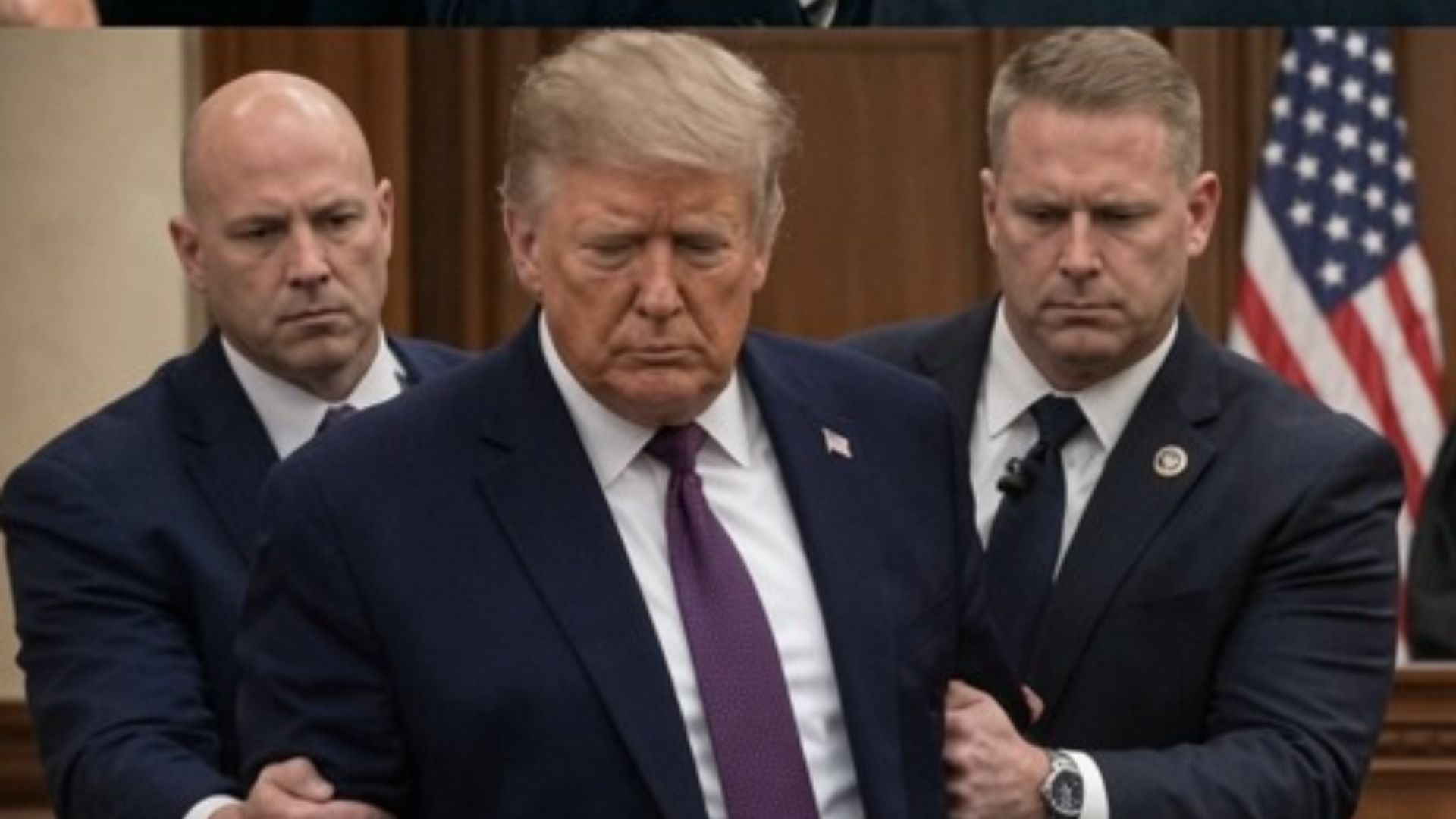
In an unprecedented turn of political events, Washington, D.C. became the epicenter of a constitutional crisis as Congress voted to approve articles of impeachment against President Trump shortly after midnight. What began as a series of quiet, unusual movements inside the Capitol building quickly escalated into a high-stakes emergency session. Senior staff and lawmakers were seen navigating the halls at an accelerated pace, fueling rumors that a major procedural action was imminent. By the time the formal notices were issued, the nation was already on high alert, with television networks pivoting to live coverage of a Capitol Hill that appeared to be on the brink of a historic shift.
The atmosphere inside the chamber as the Midnight Session convened was described by observers as thick with visible tension. In a departure from the typical boisterous nature of legislative debates, this session was marked by hushed exchanges and a somber focus. When congressional leaders officially introduced the resolution for impeachment, the reaction was a stark split between applause and stunned silence. The ensuing debate lasted for several hours, highlighting the deep ideological rifts within the government. Supporters of the measure emphasized their constitutional responsibility to act, while opponents criticized the speed of the proceedings, characterizing the move as a rushed attempt to generate political turmoil.
The actual voting process commenced around 12:30 a.m., conducted in a heavy, almost complete silence that gripped both the chamber and the millions of American citizens watching the live broadcasts. As the final votes were recorded, confirming the passage of the articles of impeachment, the room erupted into a mixture of celebration and outrage. The impact was felt instantly across social media and digital news platforms, where the public reaction was both swift and deeply emotional. While some hailed the vote as a landmark moment for government accountability, others viewed it as a dangerous escalation of partisan warfare that threatened national stability.
The White House response was immediate and defiant. Senior advisers and communications teams worked through the predawn hours to craft a formal statement, which was released shortly before 2:00 a.m. The administration condemned the vote as politically motivated and a complete sham, vowing that President Trump would continue to fulfill his executive duties while fighting the impeachment process at every subsequent stage. This defiant stance did little to quiet the growing storm, as financial markets began to react to the uncertainty and international leaders from around the globe issued statements regarding the need for continuity in U.S. governance.
As the sun rose on a divided nation, public demonstrations emerged in major cities across the United States. Proponents and critics of the move gathered in rival rallies, reflecting the broader tensions that have defined the current political era. Late in the afternoon, President Trump addressed the nation directly from the White House, rejecting the accusations and appearing determined to navigate the coming legal battles. Legal experts and political analysts have noted that this vote is merely the beginning of a prolonged and complex constitutional procedure. With the next phase of the impeachment process looming, the events of this extraordinary twenty-four-hour period have ensured that Washington remains locked in a state of intense public and political scrutiny for the foreseeable future.