Trump Emergency Tariffs and Supreme Court Review
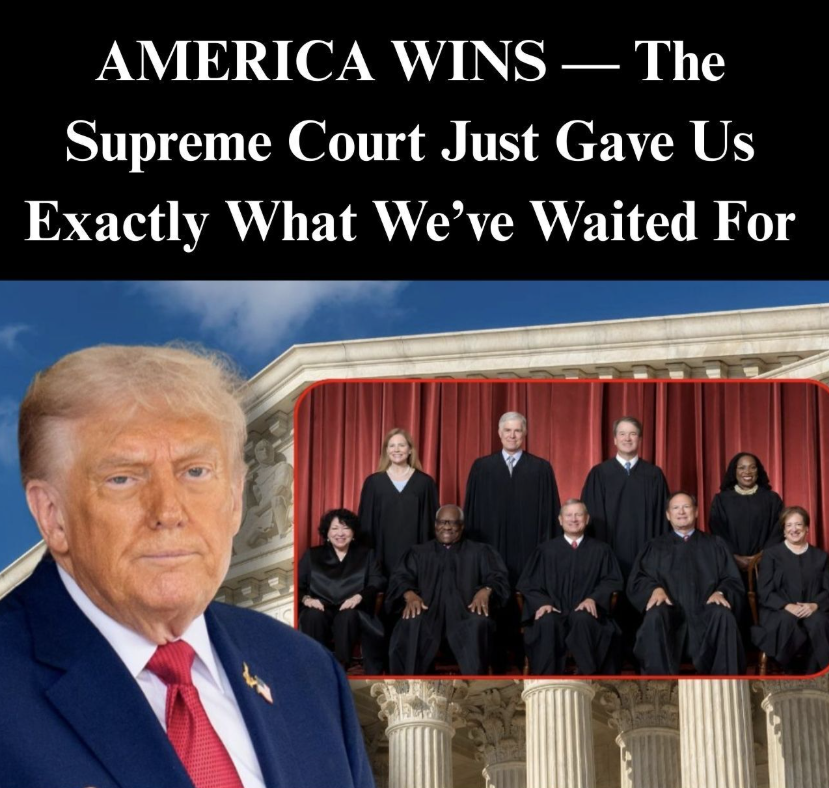
The issue of Trump emergency tariffs has drawn attention ahead of a possible Supreme Court ruling. Bessent said the administration believes the court will not block the president’s economic strategy.
Speaking on Meet the Press, Bessent argued that the court rarely overturns major presidential economic policies. He also said the justices likely want to avoid creating uncertainty.
Additionally, Bessent referenced the court’s earlier decision regarding the Affordable Care Act. The court did not overturn the healthcare law, often known as Obamacare.
Last month, the Supreme Court upheld a key provision of the law. The ruling allows a federal panel to recommend preventive services insurers must cover without patient costs.
Greenland Dispute Drives Trump Emergency Tariffs
The Trump emergency tariffs announcement came shortly after a new policy statement from Trump. He proposed tariffs on European goods until a deal is reached for the purchase of Greenland.
Trump did not identify the exact legal authority behind the policy. However, the action resembles earlier tariffs imposed under the International Emergency Economic Powers Act.
Under the plan, tariffs on goods from Denmark, Norway, Sweden, France, Germany, the United Kingdom, the Netherlands, and Finland will begin at 10 percent on Feb. 1. The rate will increase to 25 percent on June 1.
Trump argued the United States has the resources needed to secure Greenland. He said the island plays an important role in addressing growing geopolitical threats in the Arctic.
European Reaction to Trump Emergency Tariffs
European governments have criticized the Trump emergency tariffs proposal. Leaders from several countries issued a joint statement expressing concern about the policy.
The statement included Denmark, Finland, France, Germany, the Netherlands, Norway, Sweden, and the United Kingdom. These countries pledged support for Danish sovereignty in Greenland.
They warned that tariff threats could damage transatlantic relations. Additionally, they emphasized the importance of respecting sovereignty and territorial integrity.
Trump responded by saying the military commitments to Greenland had escalated tensions. He described the situation as dangerous for global security.
Strategic Argument Behind the Tariffs
The Supreme Court is expected to rule on the legality of Trump emergency tariffs before the end of its current term. However, the decision could arrive as soon as this week.
The administration argues the tariffs fall under emergency authority granted by the International Emergency Economic Powers Act. The law allows economic measures in response to unusual or extraordinary threats.
Bessent described the policy as a preventive strategy. He said the administration believes economic pressure can help avoid conflict.
“The national emergency is avoiding a national emergency,” Bessent said. He described the move as a strategic use of American economic power.
Meanwhile, the Trump administration continues to argue that acquiring Greenland is important for national security. Officials say the island could help counter Russian and Chinese influence in the Arctic.