Florida Immigration Law SB 4-C Blocked by Supreme Court
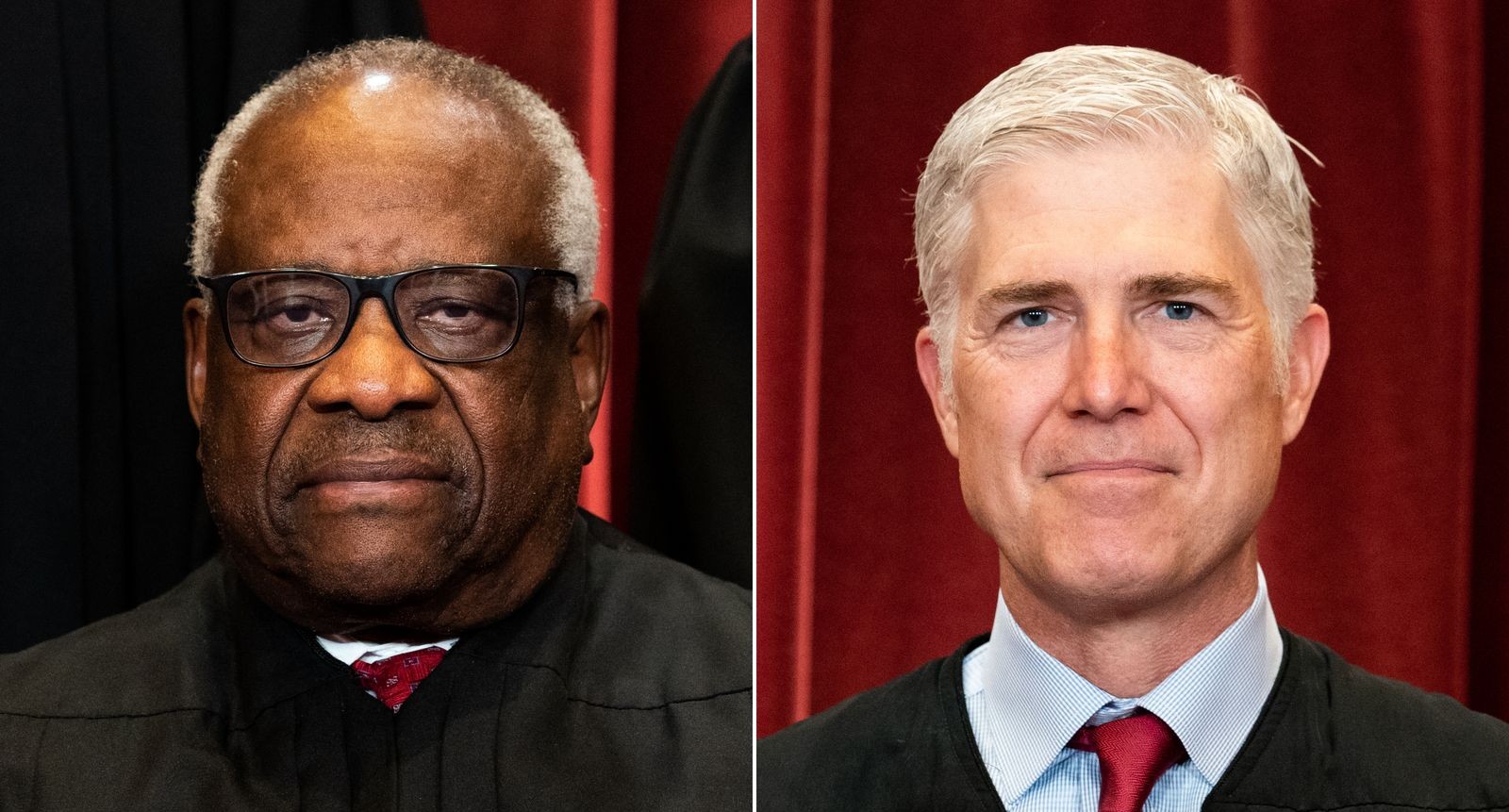
The Florida immigration law SB 4-C will remain blocked after a decision by the U.S. Supreme Court. The court declined to reinstate the measure on Wednesday.
The court did not provide an explanation for its ruling. Additionally, the order noted that no justices issued dissenting opinions.
The ruling followed an emergency application submitted by Florida officials. State leaders had asked the court to allow enforcement of the law while litigation continues.
However, the court allowed an injunction blocking the law to remain in place. Therefore, the statute cannot currently be enforced.
Details of Florida Immigration Law SB 4-C
The Florida immigration law SB 4-C was designed to address illegal entry into the state. The law criminalizes entering Florida after illegally entering the United States and evading immigration authorities.
Supporters of the measure argued that it aligns with federal immigration rules. However, critics said it could conflict with federal authority over immigration.
Last year, the Supreme Court allowed a similar law in Texas to take effect. Therefore, the decision regarding the Florida law has drawn additional attention.
The court did not explain why the outcomes differed. As a result, legal experts continue examining the implications of the decision.
Federal Court Injunction Against Florida Immigration Law SB 4-C
The Florida immigration law SB 4-C was previously blocked by a federal court. Kathleen Williams, a U.S. district judge, issued an indefinite injunction against the measure.
Williams concluded that the law was likely preempted by federal immigration law. Additionally, she ruled that the measure could be unconstitutional.
Florida officials appealed the decision to the 11th U.S. Circuit Court of Appeals. However, a three-judge panel upheld the injunction.
Following that decision, Florida filed an emergency appeal to the Supreme Court. State leaders hoped the justices would allow enforcement during the legal dispute.
Florida Officials Defend Immigration Law
James Uthmeier, Florida’s attorney general, defended the Florida immigration law SB 4-C in the state’s appeal. He argued the policy does not conflict with federal law.
Uthmeier said Florida carefully designed the law to follow federal immigration statutes. According to him, the provisions track and depend on federal immigration law.
Additionally, he said preventing states from enforcing such measures harms public safety. He argued states must be able to protect residents from illegal immigration impacts.
However, the Supreme Court chose not to intervene at this stage. Therefore, the lower court’s injunction remains in effect.
Immigration Enforcement Debate Intensifies
The decision regarding the Florida immigration law SB 4-C comes amid broader debates about immigration enforcement. Political leaders across the country continue discussing federal immigration policies.
In Minnesota, Tim Walz criticized federal immigration enforcement during a press briefing. He referenced the experience of Anne Frank while discussing residents who fear enforcement operations.
Walz spoke following a January 24 incident in Minneapolis. During that event, a U.S. Border Patrol agent shot and killed Alex Pretti, a 37-year-old Veterans Affairs intensive care unit nurse.
Federal officials said Pretti was armed and resisted agents during the encounter. However, local accounts and bystander video have prompted public scrutiny of the incident.
Meanwhile, Minneapolis Mayor Jacob Frey and other Democratic leaders have also criticized federal operations. Republicans argue such comments increase tensions surrounding immigration enforcement.
Former ICE Official Responds to Immigration Criticism
A former acting director of U.S. Immigration and Customs Enforcement also weighed in on the debate. Jonathan Fahey criticized Minnesota leaders over their responses.
Fahey served briefly as acting ICE director during the administration of Donald Trump. During an interview, he said the comments from state and city officials were “outrageous.”
He argued elected leaders should not determine where federal laws are enforced. According to Fahey, such actions could undermine federal authority.
Meanwhile, immigration enforcement operations continue across several U.S. cities. The broader debate over state authority and federal immigration policy remains ongoing.