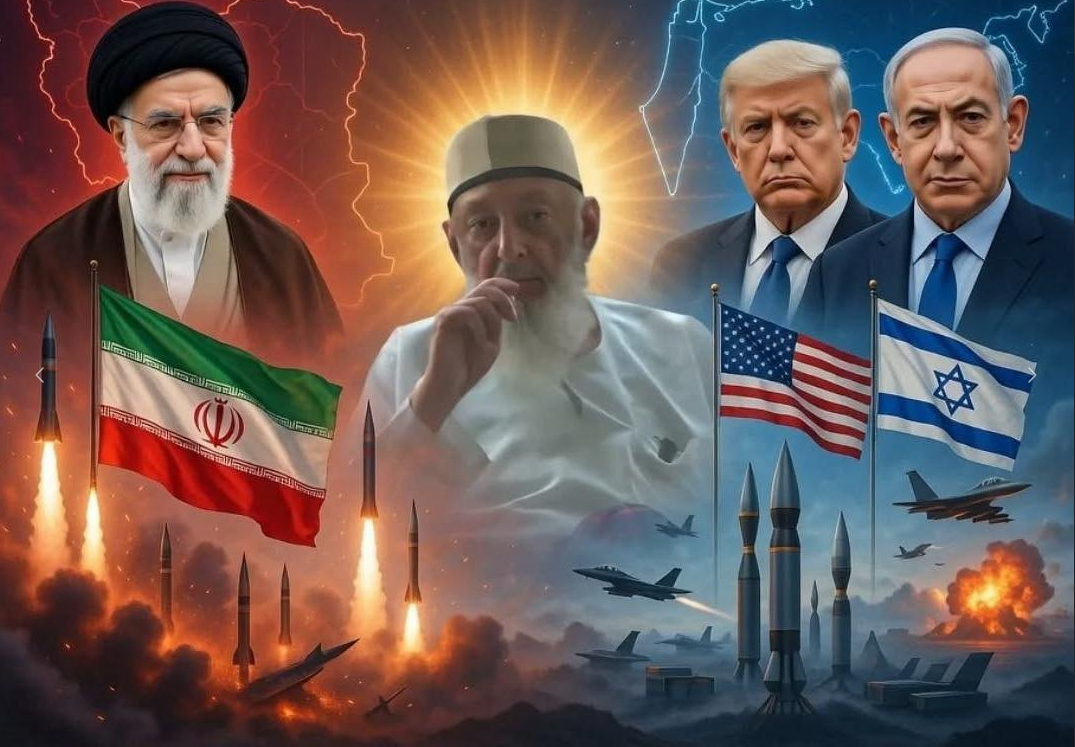
Iran Missile Attack on USS Theodore Roosevelt: How U.S. Defenses Held Firm
Iran launched a powerful missile barrage at the USS Theodore Roosevelt carrier strike group in the Strait of Hormuz. The attack tested one of the most advanced naval defenses in the world. Within minutes, layered U.S. systems intercepted every incoming threat. No missiles reached the carrier. The U.S. response followed swiftly, destroying the launch sites that fired the weapons.
This incident shows how modern naval combat works in real time. It also proves why carrier strike groups remain so hard to target. Below we break down what happened, how the defenses worked, and what the quick counterstrike means.
The Attack Begins: Missiles Launch from Iran’s Coast
At 2:31 PM local time, coastal batteries fired multiple anti-ship missiles. Radar operators on the Theodore Roosevelt saw the threats appear instantly. The missiles flew low and fast, designed to overwhelm defenses through numbers and speed.
Iran aimed to send a strong message. They believed a saturation attack could penetrate the strike group’s protections. Instead, the U.S. response showed the gap between expectation and reality.
Layered Defense in Action: No Missile Gets Through
The carrier strike group uses defense in depth. Every layer works together to stop threats.
- Aegis destroyers fire first — SM-2 and SM-6 interceptors launched from vertical cells. They climbed high and struck missiles at long range.
- Electronic warfare jams guidance — EA-18G Growlers flooded frequencies. False targets confused enemy seekers.
- Close-in systems finish the job — Phalanx CIWS and SeaRAM cannons created walls of metal against any leakers.
- Decoys pull missiles off course — Floating radar reflectors drew some weapons into the sea.
By minute five, intercept explosions lit the sky. Debris fell harmlessly. By minute twelve, over half the missiles were gone. The rest failed to reach the carrier. Training turned potential disaster into controlled success.
The Counterstrike: From Defense to Offense in Minutes
After the last threat vanished, the strike group shifted to offense. Tomahawk cruise missiles left vertical launchers on destroyers and submarines. They flew low, hugging the terrain toward the exact coastal batteries that fired earlier.
F/A-18 fighters launched from the Roosevelt. They carried precision-guided bombs. Radar sites, launchers, and command posts became targets. In under thirty minutes from the first Iranian missile, those sites turned into rubble.
Smoke rose from hardened positions. Secondary explosions followed. Iran’s coastal missile force suffered heavy losses.
Why This Encounter Matters in the Strait of Hormuz
The Strait of Hormuz handles about 20% of the world’s oil. Any disruption affects global prices and supply. Iran often uses the narrow waterway to flex strength. The U.S. keeps a constant presence to ensure free passage.
This attack tested that balance. Iran misjudged the speed and coordination of U.S. defenses. The result showed why carrier strike groups remain dominant even against modern threats.
From years of following Gulf naval operations, layered defenses and rapid response remain the key. Iran’s weapons are dangerous. Yet the U.S. systems proved more effective in this real-world test.
What Could Happen Next in the Region
Tensions stay high. Iran may try more probes or proxy attacks. The U.S. and allies continue patrols. Oil markets watch every development.
Shipping companies reroute some vessels. Insurance rates rise for Gulf transits. Diplomats urge restraint while military forces stay ready.
For the latest facts, check official statements from U.S. Central Command (centcom.mil) or the U.S. Naval Institute (news.usni.org).
FAQ on Iran Missile Attack on USS Theodore Roosevelt
Did any Iranian missiles hit the carrier? No. Every missile was intercepted or failed to reach the ship.
How long did the attack last? The defensive phase lasted about twelve minutes. The counterstrike followed quickly.
What made the Fattah missiles hard to stop? Their high speed and maneuvering challenged some intercept algorithms.
Was this Iran’s first direct attack on a U.S. carrier group? Yes. Previous incidents involved shadowing or close approaches, not missile launches.
Why does the Strait of Hormuz matter so much? It carries roughly 20% of global oil trade. Any closure affects energy prices worldwide.
What surprises you most about this naval clash? Does it change how you view U.S. carrier defenses? Share your thoughts below.