USS Mason Missile Attack Begins in the Persian Gulf
A tense moment occurred at 2:17 a.m. in the Persian Gulf when two Iranian NOR anti-ship missiles were launched. The missiles targeted USS Mason (DDG-87), a guided missile destroyer patrolling international waters.
The destroyer is part of the Arleigh Burke-class destroyer fleet used by the U.S. Navy. Crew members had less than four minutes to respond to the developing threat.
The USS Mason missile attack followed weeks of rising tensions in the region. Iranian fast attack boats had previously conducted aggressive maneuvers near U.S. naval vessels.
Rising Tensions Before the USS Mason Missile Attack
Due to increased threats, the United States Fifth Fleet raised its defensive posture in the Persian Gulf. The fleet positioned the Mason strategically while monitoring potential missile activity.
Meanwhile, the ship’s radar operator detected fire control radar activation from the Iranian coastline. This signal often indicates missile launch preparation.
At 2:15 a.m., thermal signatures appeared on the Mason’s radar system. The ship’s sensors quickly classified the objects as anti-ship missiles flying at low altitude.
The crew immediately sounded general quarters and prepared for combat. Every second mattered as the incoming missiles approached.
Defensive Response During the USS Mason Missile Attack
The captain of the Mason faced an urgent decision. He had to choose whether to engage immediately or wait for confirmation of hostile intent.
With seconds remaining, the captain contacted Fifth Fleet headquarters. Authorization quickly arrived to defend the destroyer.
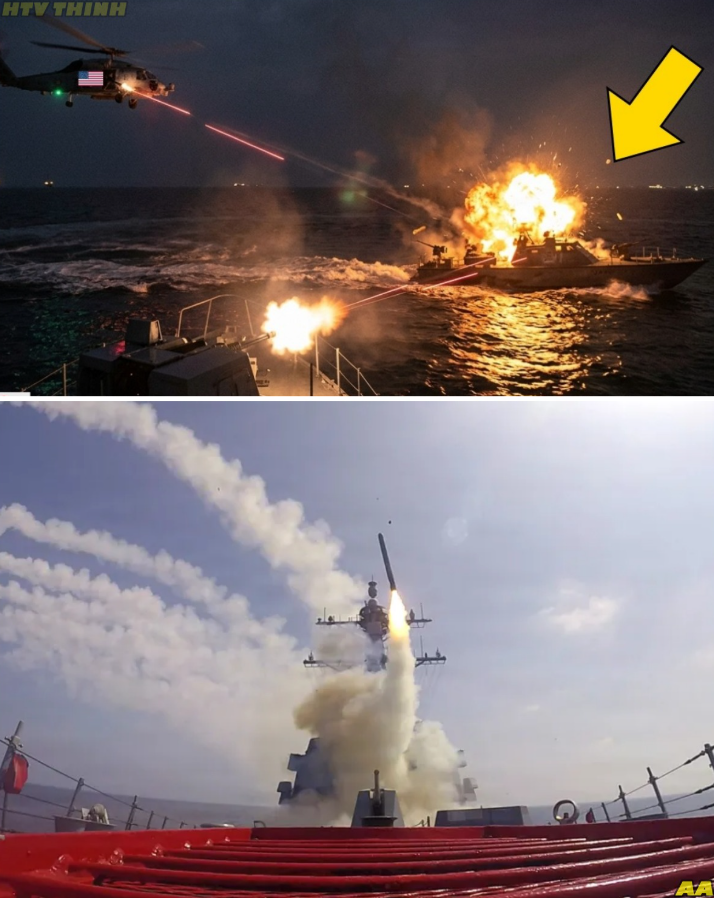
At 2:18:19 a.m., the ship launched its first Standard Missile-2 interceptor. A second interceptor followed moments later to engage the incoming missiles.
Meanwhile, the ship’s electronic warfare systems attempted to jam the Iranian missile guidance systems. However, the threats continued moving toward the vessel.
Interception Ends the USS Mason Missile Attack
The first interceptor detonated close to the Mason during the engagement. Shrapnel struck the hull but did not damage the ship significantly.
The second interceptor destroyed its target cleanly before impact. This action neutralized the immediate threat to the destroyer.
From detection to final detonation, the engagement lasted less than three minutes. The response demonstrated the effectiveness of the ship’s layered defense systems.
Afterward, U.S. forces confirmed the location of the missile launch site. The captain still had Tomahawk cruise missile weapons available for a possible response.
Strategic Decisions After the USS Mason Missile Attack
Following the incident, officials in Washington quickly evaluated the situation. An emergency meeting of the National Security Council took place to discuss the response.
Despite the attack, the United States chose not to retaliate against the launch battery. Officials concluded the interception had already ensured the ship’s safety.
However, the event raised questions about response procedures. Military planners began reviewing authorization chains for faster engagement decisions.
Although the Mason successfully defended itself, the Iranian missile launch system remained operational. This outcome increased concerns about potential future provocations.
The USS Mason missile attack highlights the fragile balance of power in the Persian Gulf. Continued vigilance remains essential as tensions persist in the region.