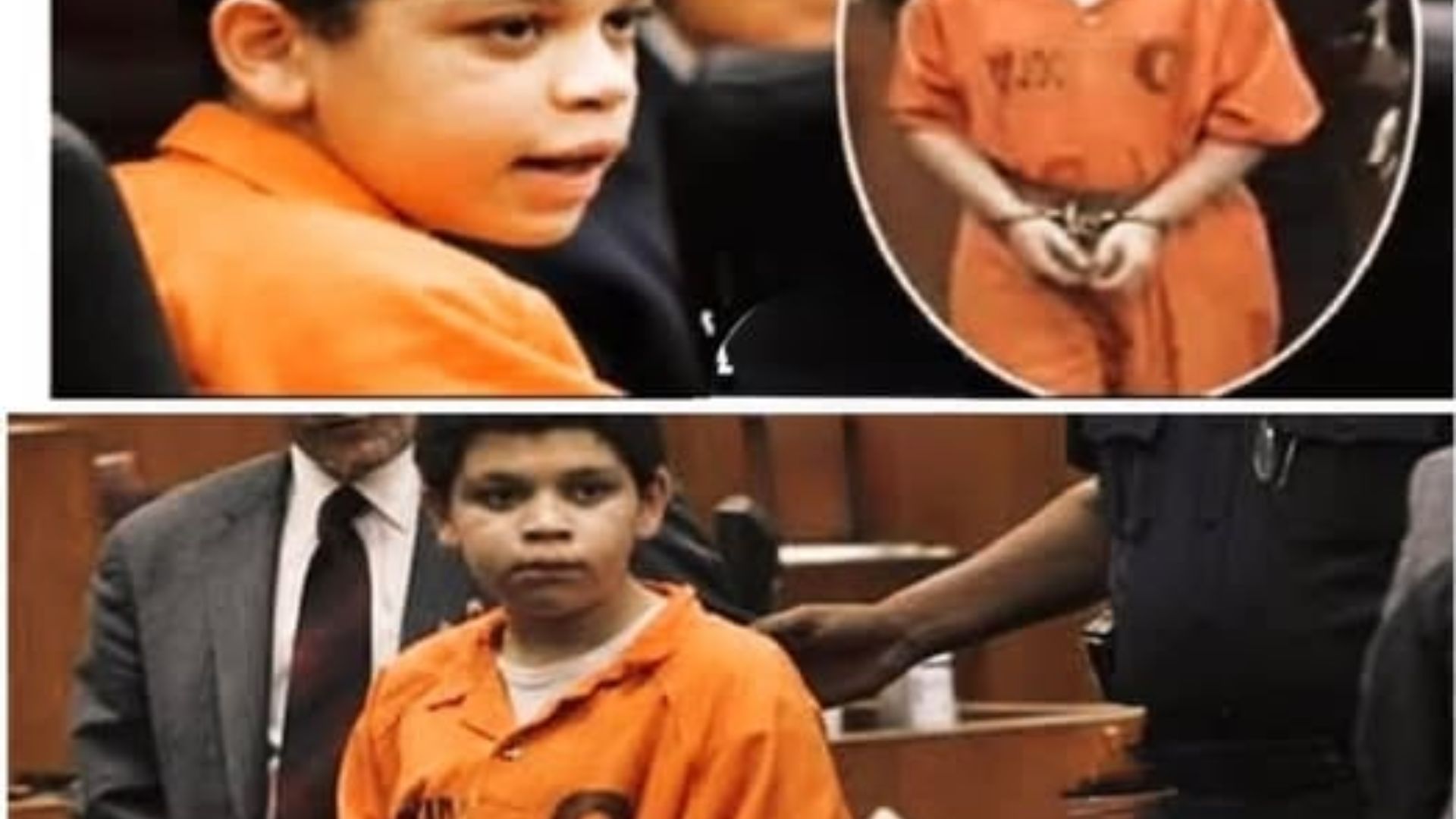
Juvenile Life Without Parole Cases Raise Concerns
The issue of juvenile life without parole has sparked national and international criticism. Human rights organizations argue that sentencing young children to life in prison raises serious justice concerns.
Groups such as Human Rights Watch and Equal Justice Initiative have highlighted the scale of the issue. They report that at least 79 minors under 14 are serving life sentences without parole in the United States.
Advocates say these cases often involve children from difficult backgrounds. Many experienced poverty, abuse, or other forms of systemic inequality.
Therefore, critics argue the justice system must consider the circumstances surrounding these cases. They believe harsh sentences may overlook the developmental stage of young offenders.
Lionel Tate Case and Juvenile Life Without Parole Debate
The debate over juvenile life without parole gained national attention through several high-profile cases. One of the most widely discussed involved Lionel Tate.
Tate was sentenced at age 12 after the death of a younger child during play. His case quickly became a symbol of the controversy surrounding juvenile sentencing.
Although his sentence was eventually reduced, the case triggered widespread debate. Critics questioned whether children should be tried as adults in serious criminal cases.
Meanwhile, supporters of stricter penalties argued that severe crimes still require accountability. The discussion continues to divide legal experts and policymakers.
Supreme Court Rulings on Juvenile Life Without Parole
The issue of juvenile life without parole has also reached the nation’s highest court. In 2012 and 2016, the Supreme Court of the United States issued landmark rulings on juvenile sentencing.
The Court ruled that mandatory life sentences for juveniles are unconstitutional. Additionally, the rulings required that these decisions apply retroactively.
However, many advocates say the impact has been uneven. Numerous cases involving young offenders remain unreviewed despite the rulings.
As a result, critics argue the justice system has been slow to implement changes. They say further legal reviews are needed to address existing sentences.
Experts Emphasize Child Development
Experts studying juvenile life without parole often focus on child development. Researchers say children are not yet fully developed emotionally or morally.
Because of this, many experts believe young offenders should have opportunities for rehabilitation. They argue that children can grow and change over time.
Additionally, specialists emphasize that the justice system must consider the long-term potential of youth. Rehabilitation programs may allow young offenders to rebuild their lives.
Therefore, the discussion often centers on balancing accountability with the possibility of reform.
Advocacy for Alternatives to Juvenile Life Without Parole
Advocates are now pushing for alternatives to juvenile life without parole. Several groups promote restorative justice and personalized rehabilitation programs.
These programs focus on accountability while encouraging empathy and healing. Supporters believe this approach can help young offenders understand the consequences of their actions.
Meanwhile, some states continue to impose harsh penalties for serious crimes committed by minors. However, advocates say policy reforms could create more opportunities for rehabilitation.
The debate over juvenile sentencing remains ongoing. As discussions continue, legal experts and activists are calling for policies that address both justice and the developmental needs of children.