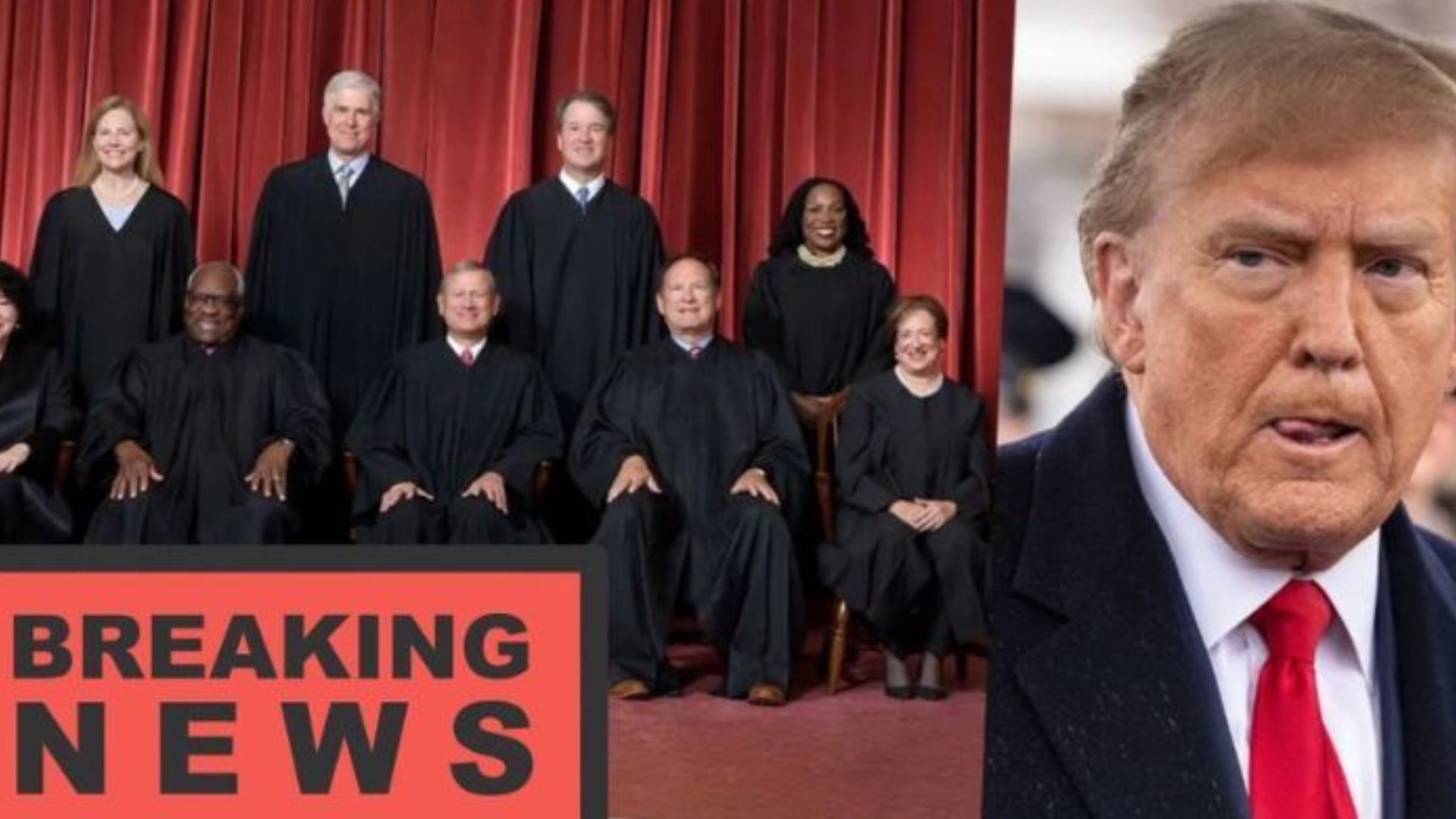
GOP Lawmakers Letter to John Roberts Raises Ethics Questions
The GOP lawmakers letter to John Roberts was sent by two senior Republican leaders in Congress. Chuck Grassley and Jim Jordan asked the chief justice to review anonymous criticism from lower court judges.
Grassley leads the Senate Judiciary Committee, while Jordan chairs the House Judiciary Committee. The lawmakers sent the letter on November 5, 2025.
They asked John G. Roberts Jr. to determine whether the statements violated judicial ethics rules. The judges had criticized Supreme Court rulings involving the administration of Donald Trump.
The lawmakers argued that public criticism from judges could harm trust in the judiciary. Therefore, they requested clarification about any investigation or guidance.
Anonymous Judges Criticized Supreme Court Decisions
The GOP lawmakers letter to John Roberts followed media interviews with federal judges. Several judges spoke anonymously about the Supreme Court’s emergency rulings.
In September 2025, NBC News interviewed 12 federal judges. These judges had been appointed by presidents from both political parties.
Many criticized the court’s increasing reliance on emergency decisions. According to later analyses, about 80 percent of those rulings favored the Trump administration.
However, the court often issued these decisions without detailed explanations. District judges said that lack of guidance made it difficult to apply the rulings.
Reports of Judicial Frustration and Crisis Warnings
The GOP lawmakers letter to John Roberts also cited reporting from The New York Times. In October 2025, the newspaper surveyed more than three dozen federal judges.
Several judges warned about a potential “judicial crisis.” They said unclear Supreme Court orders created confusion in ongoing legal cases.
One judge told NBC News the court appeared to assist the Trump administration in undermining lower courts. However, the judges spoke anonymously to avoid ethics concerns.
Grassley and Jordan argued that these statements may still cross ethical boundaries. They said anonymous criticism could weaken public trust in the judiciary.
Lawmakers Cite Judicial Ethics Rules
The GOP lawmakers letter to John Roberts referenced the Code of Conduct for United States Judges. The lawmakers highlighted several rules governing judicial behavior.
Canon 1 requires judges to uphold integrity and independence. Meanwhile, Canon 2(A) states that judges must promote confidence in impartiality.
Additionally, Canon 3(A)(6) limits public comments on pending cases. Grassley and Jordan said the anonymous statements might conflict with these rules.
The letter also referenced a 2024 case involving disciplinary action. In that situation, a judge criticized a Supreme Court justice in print.
Debate Over the Supreme Court’s Shadow Docket
The GOP lawmakers letter to John Roberts also highlights debate about the Supreme Court’s emergency docket. This process allows the court to issue urgent decisions without full arguments.
During Trump’s second term, the administration filed many emergency requests. The court granted most of them and paused lower court rulings.
Some justices have raised concerns about the process. Sonia Sotomayor, Elena Kagan, and Ketanji Brown Jackson have issued dissents discussing the issue.
Lower court judges said they need clearer explanations to apply precedent. Without detailed reasoning, they face difficult decisions in ongoing cases.
Possible Next Steps for the Judiciary
The GOP lawmakers letter to John Roberts asked the chief justice to confirm whether any investigation occurred. Roberts oversees the federal judiciary through the Judicial Conference of the United States.
However, no public response to the November 2025 letter had appeared by March 2026. The issue continues to draw attention among lawmakers and legal observers.
Meanwhile, discussions about the shadow docket and judicial transparency remain ongoing. The debate reflects broader tensions within the American legal system.