Serious Aviation Incident Involving Plane with Over 240 People
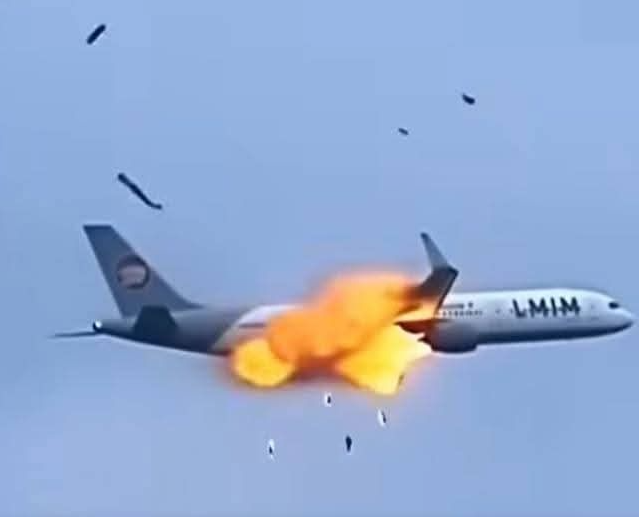
A serious aviation incident involving a commercial passenger plane with more than 240 people on board has captured worldwide attention. Early reports suggest the aircraft faced a problem shortly after takeoff or during a key flight phase. Details remain scarce, but the event has triggered an immediate response from emergency crews and aviation regulators.
Investigators have started their work. They are reviewing every possible cause, including mechanical issues, weather conditions, and crew actions. Officials stress that no firm conclusions can be made yet. Reliable answers will come only after a full, careful probe.
People around the globe—aviation specialists, government bodies, and everyday citizens—are watching closely. This incident reminds us how complex modern flying is and how many safeguards exist to keep passengers safe.
What We Know So Far
Emergency teams rushed to the scene right away. Rescue operations focused on passenger and crew safety first. Authorities have not released the airline name, flight number, or exact location in initial statements. They also have not confirmed injuries, fatalities, or the type of aircraft involved.
At this early stage, officials avoid speculation. They want to protect the investigation from outside pressure. Families of those on board have been notified through standard protocols. Support teams stand ready to help them.
How Aviation Incidents Are Investigated
Aviation accidents follow strict, proven steps. Here is the usual process:
- Immediate response — Secure the site, care for survivors, and preserve evidence.
- Black box recovery — Flight data and cockpit voice recorders provide key clues.
- On-site examination — Experts study wreckage patterns and debris spread.
- Interviews — Crew statements (if possible), air traffic control logs, and witness accounts.
- Lab analysis — Parts go to labs for tests on engines, controls, and electronics.
- Final report — A public document lists probable cause and safety recommendations.
This method usually takes months or even years. Speed matters less than accuracy. Past incidents show that thorough work prevents future tragedies.
Why These Events Spark Global Concern
Flying remains one of the safest ways to travel. Still, any serious incident grabs headlines. Why? Because the stakes are high. Hundreds of lives hang in the balance during every flight.
Modern planes include many safety layers. Redundant systems, strict pilot training, and constant maintenance help keep risks low. When something goes wrong, the world pays close attention. People want to know if a wider problem exists.
What Happens Next
Investigators will release updates when they have verified facts. Preliminary findings often come within days or weeks. A final report usually takes 12–18 months.
In the meantime, airlines and regulators may issue temporary safety bulletins. Families and the public deserve clear, honest information as soon as it becomes available.
For trusted updates, check official sources like the National Transportation Safety Board (ntsb.gov) or the International Civil Aviation Organization (icao.int).
Final Thoughts on This Aviation Incident
Serious incidents like this one remind us that aviation safety never stops evolving. Teams work around the clock to learn from every event. Their goal remains the same: zero accidents.
We will share more facts as they emerge. For now, thoughts go out to everyone affected—passengers, crew, families, and first responders.
Have you been following similar aviation stories? What worries you most in these early reports? Share your thoughts below.