In the contemporary, fast-paced digital landscape, news concerning Donald Trump or other high-profile global figures can traverse the globe in mere seconds. This phenomenon was recently highlighted by circulating reports suggesting that the former United States President had been hospitalized following sudden health concerns. As a professional journalistic analysis, it is vital to dissect these claims through the lens of verified information and responsible media consumption, ensuring that speculative narratives do not overshadow factual updates.
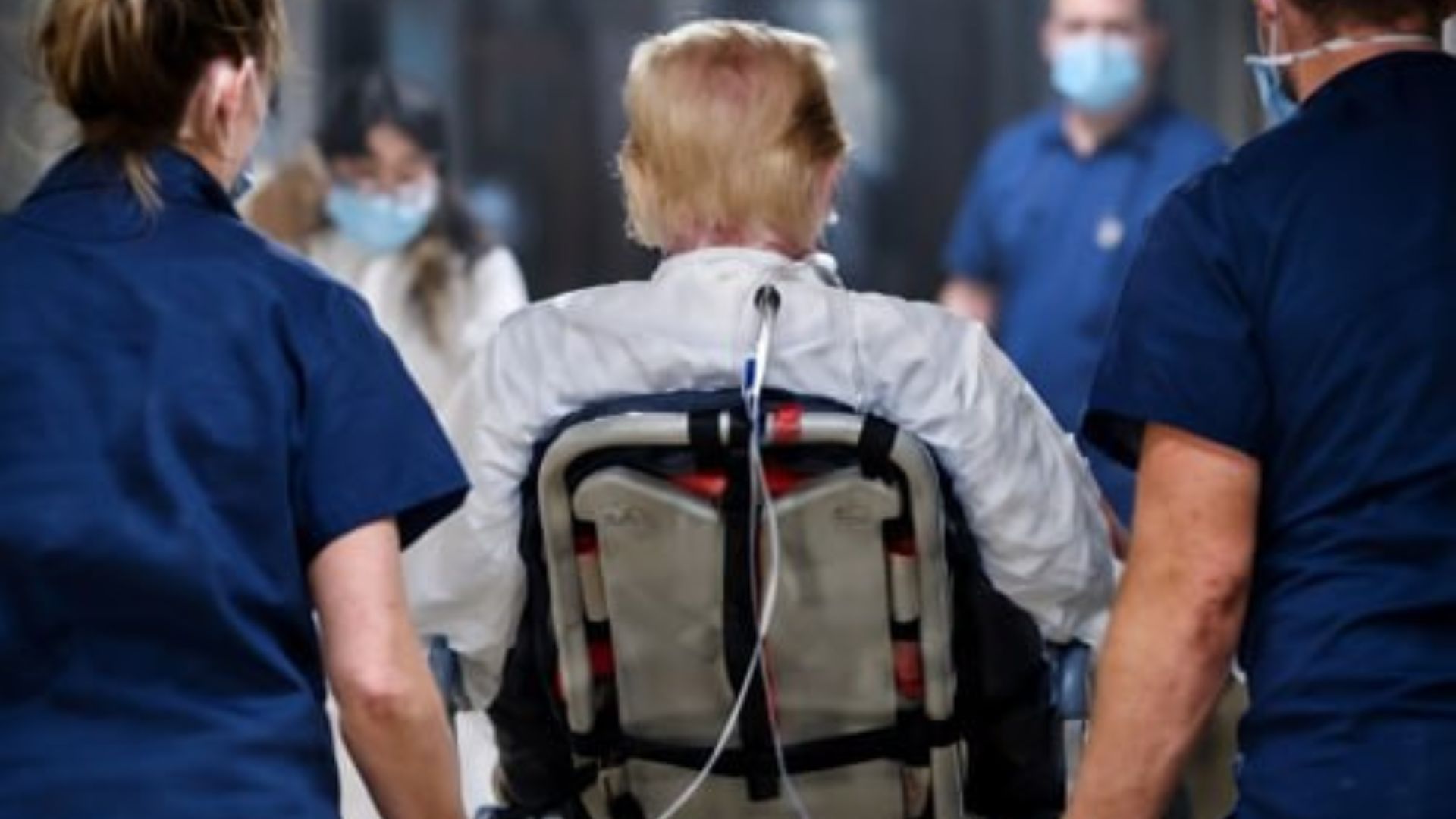
Initial reports indicated that Donald Trump was transported to a medical facility after exhibiting symptoms that raised concern among his immediate staff. According to these accounts, the decision to seek a professional medical evaluation was primarily a precautionary measure designed to ensure his long-term wellbeing. In such high-stakes environments, medical professionals often initiate a comprehensive series of diagnostic tests to assess the individual’s condition and determine if any clinical intervention is required. During the early stages of these developments, however, no official statement had been released to confirm the specific nature of the medical issue, leaving a void often filled by public curiosity.
The logistical response to the situation involved a coordinated effort between Security Personnel and medical teams. Standard protocols for high-ranking public figures dictate an efficient and organized transition to a healthcare environment. Reports suggested that Vital Signs Monitoring and observational care began immediately upon arrival. These steps are standard procedure for individuals in the public eye, where even minor health fluctuations are met with the highest level of medical rigor to maintain Health and Readiness.
It is essential to distinguish between a hospital visit and a critical health crisis. Precautionary Medical Evaluations are a routine aspect of healthcare for leaders, often involving Routine Diagnostic Tests and observational periods to rule out complications. Because of the immense visibility of Donald Trump, these standard procedures are frequently misinterpreted by the public as indicators of severe illness, when they may in fact be preventive in nature.
The impact of this news on Social Media was immediate and profound. Platforms were flooded with a mixture of support, concern, and speculation. While many users sought Verified Updates and offered well-wishes, others contributed to the rapid spread of Unverified Claims. This highlights a persistent challenge in the modern era: the difficulty of distinguishing between objective facts and real-time rumors. The high level of public interest in a former president ensures that any news—regardless of its verification status—receives Global Attention.
Several factors contribute to the velocity at which such news spreads. First, the status of Donald Trump as a former head of state guarantees international interest. Second, Media Outlets often prioritize stories involving influential figures to meet audience demand. Third, the nature of Social Media Amplification means that emotionally charged content is shared more frequently. Finally, his ongoing Public Engagement in political discourse keeps him at the center of the news cycle, making any update regarding his status particularly noteworthy for both domestic and international audiences.
To navigate these situations, Journalistic Ethics mandate a reliance on credible sources, such as official representatives or recognized medical organizations. Analysts warn that acting on preliminary reports can lead to the dissemination of Inaccurate Narratives. Instead, the public is encouraged to practice patience, cross-check information with Reputable News Sources, and wait for formal announcements before drawing definitive conclusions about a public figure’s health.
Associates and observers close to the situation have expressed confidence in the Medical Care being provided, urging the public to remain calm. Such responses are a typical strategy for managing public perception during sensitive times. By emphasizing the excellence of the medical staff and the routine nature of Precautionary Hospital Visits, stakeholders aim to stabilize public sentiment and reduce the potential for market or social volatility.
Managing speculation in the Digital Age requires a collective commitment to Media Literacy. Media organizations must uphold their responsibility by verifying facts before publication and clearly distinguishing between confirmed data and observational speculation. By adhering to these principles, the media helps maintain Public Trust. The broader context of these events reminds us that the health of prominent leaders is inextricably linked to political and social stability, explaining why International Commentators and analysts monitor such developments with such intensity.
Ultimately, the reports surrounding the hospitalization of Donald Trump serve as a case study in how information functions today. The incident underscores the necessity of a Balanced Perspective and the importance of waiting for official updates. While the urge to react is strong, the ability to discern Verified Facts from speculation remains the most critical tool for an informed public. By approaching these situations with a thoughtful and analytical mindset, individuals can contribute to a more responsible and accurate global information environment.