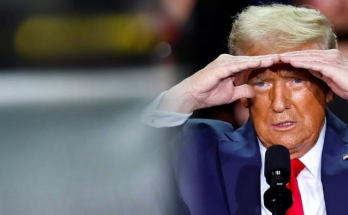
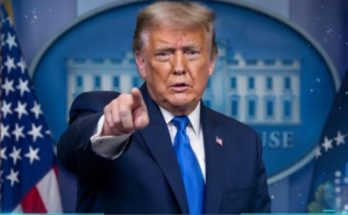
On a tense Thursday that captured nationwide attention, federal prosecutors revealed a sweeping indictment against former U.S. president Donald Trump, accusing him of attempting to undermine fundamental democratic procedures. The charges include conspiracy to defraud the United States, obstruction of an official proceeding, and interference with constitutional rights—allegations that strike at the core of how the country safeguards its electoral system. Although the indictment outlines the broad accusations, several key details remain under seal, leaving the public and political leaders awaiting further disclosures. Allies of the former president quickly moved to defend him, while critics argue the case could become one of the most consequential legal battles involving a former American leader. The allegations stem from investigations into the aftermath of the 2020 presidential election and the events leading to the disruption of the certification process in Congress. That period ultimately culminated in the January 6 United States Capitol attack, a moment that deeply divided the nation and prompted multiple inquiries into the conduct of political leaders and supporters. Prosecutors claim that the alleged actions formed part of a broader strategy to challenge or delay the official confirmation of election results. As the legal process unfolds, the courts will carefully evaluate evidence, legal arguments, and constitutional questions raised by the indictment. Given the historic nature of the case and the prominence of the defendant, the proceedings are expected to draw intense scrutiny from both the public and the international community. For many Americans, the case highlights the enduring tension between political power and the rule of law, reminding citizens of the importance of transparent institutions and due process.
Donald Trump Gets More.. Read More