US Mexico Cartel Terrorist Designation Intensifies Tensions
The US Mexico cartel terrorist designation marks a major shift in bilateral relations. The administration of Donald Trump designated eight major cartels as Foreign Terrorist Organizations.
These include the Jalisco New Generation Cartel and the Sinaloa Cartel. Officials said the move aims to combat fentanyl trafficking and border instability.
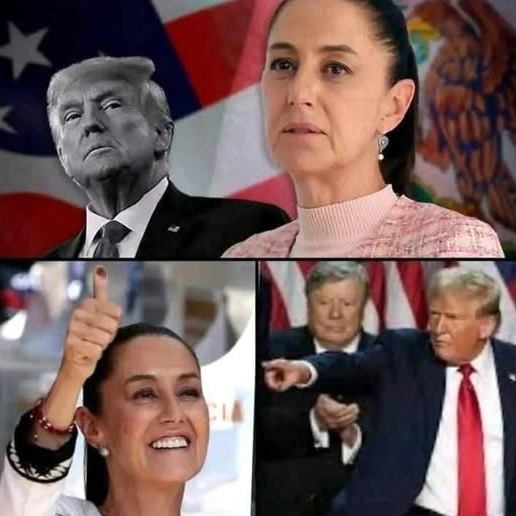
However, the decision has drawn strong opposition from Claudia Sheinbaum. Mexico’s president views it as a challenge to national sovereignty.
Mexico Responds to Sovereignty Concerns
The US Mexico cartel terrorist designation prompted an immediate response from Mexico. Sheinbaum stated that her government would not accept foreign interference.
She argued that labeling cartels as terrorists could justify unilateral U.S. actions. Therefore, concerns have grown over possible cross-border operations.
Additionally, Mexico emphasized the need for mutual cooperation. Officials called for shared intelligence rather than imposed policies.
The response reflects a broader concern about independence. Mexico insists that security strategies must remain balanced and respectful.
Security Strategy and Military Implications
The US Mexico cartel terrorist designation has raised questions about enforcement methods. Discussions in Washington have included targeting cartel infrastructure.
Elon Musk suggested that cartel networks could face drone strikes. This idea has added to concerns about escalation.
Meanwhile, U.S. agencies have increased drone deployments near the border. These operations focus on monitoring and identifying illicit activity.
Analysts say a full-scale ground invasion remains unlikely. However, drone-based actions have created a new security dynamic.
Legal and Diplomatic Consequences
The US Mexico cartel terrorist designation carries significant legal implications. The classification allows expanded powers to freeze assets and prosecute support networks.
Additionally, it enables pressure on third-party nations. Authorities can restrict cartel movements internationally.
In response, Mexico is pursuing legal action against U.S. gun manufacturers. Officials argue that firearms trafficking fuels cartel violence.
This strategy highlights competing legal approaches. Both countries are using law as a tool in the dispute.
Domestic Pressures Shape Policy Decisions
The US Mexico cartel terrorist designation is influenced by domestic concerns in both nations. In the United States, the fentanyl crisis drives demand for stronger action.
Therefore, the policy aligns with calls for tougher border enforcement. Many see it as a response to public pressure.
Meanwhile, Sheinbaum faces political challenges at home. Public sentiment in Mexico includes resistance to foreign intervention.
This dynamic complicates diplomatic efforts. Leaders must balance internal expectations with international cooperation.
Economic Risks and Trade Concerns
The US Mexico cartel terrorist designation also affects economic relations. The two countries are deeply connected through trade and supply chains.
Disruptions could impact industries such as automotive and agriculture. Therefore, instability raises concerns for both economies.
Experts warn that unilateral actions could create logistical challenges. Border disruptions may increase costs and affect daily life.
Despite tensions, economic ties remain strong. However, risks continue to grow as rhetoric intensifies.
Regional Impact and Future Outlook
The US Mexico cartel terrorist designation has drawn attention across Latin America. Other nations are watching developments closely.
Some fear the precedent of unilateral action could spread. This concern adds pressure for a coordinated regional response.
Additionally, proposals for multilateral cooperation have emerged. However, trust between key players remains limited.
The situation continues to evolve in 2026. Its outcome may shape regional security for years to come.