Massive Explosions Light Up Skies Over Major Cities: Global Panic and Emergency Alerts
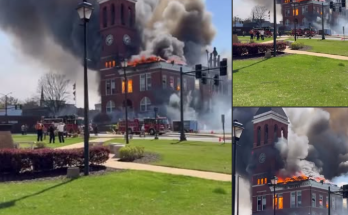
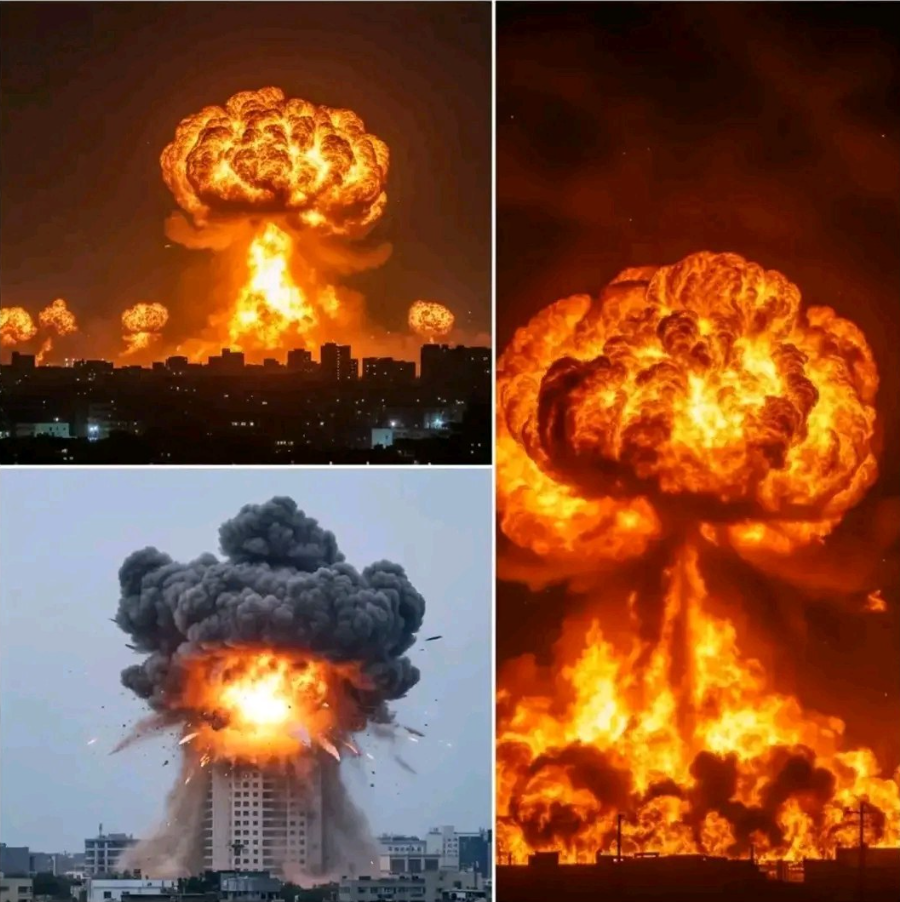
Massive explosions lit up the night sky over several major cities late last night, triggering widespread panic and urgent government alerts around the world. Emergency sirens blared across urban areas. Military forces moved to high alert within minutes. Social media quickly filled with videos of huge fireballs rising above skylines. Many people feared a major global conflict had just entered a dangerous new phase.
Right now, details remain limited and unconfirmed. Defense officials in multiple countries activated emergency protocols immediately. Air defense systems, intelligence networks, and strategic commands went on heightened readiness. Leaders called urgent security meetings. Governments told citizens to stay calm, follow official instructions, and wait for verified updates. Airports, ports, and military bases increased security measures.
This moment feels extremely tense. Confusion and fast-moving events can push any crisis into uncharted territory. Here is what we know so far, why experts call this one of the most dangerous stages, and what might happen next.
What We Know About the Explosions So Far
Early reports describe a series of large blasts visible from multiple regions. Witnesses filmed enormous fireballs and shockwaves that lit up the horizon. Social media videos spread rapidly, showing bright flashes followed by rising plumes.
Governments issued civil defense alerts almost instantly. Sirens sounded in several urban centers. Military radar and intelligence units tracked the events in real time. No official source has confirmed the exact locations, number of explosions, or responsible party yet.
Airports in affected areas halted operations temporarily. Some diverted incoming flights. Ports raised security levels. Military installations went to DEFCON-like readiness in several nations.
Why This Stage of a Crisis Is So Dangerous
Military experts often call the first hours after unexplained explosions the highest-risk window. Here’s why:
- Limited information leads to fast assumptions.
- Commanders must decide in minutes whether to launch defensive or retaliatory actions.
- Misreading a test, accident, or limited strike as full-scale war can trigger escalation.
- Social media spreads unverified footage faster than official statements.
In past crises, similar moments have pushed tensions to the edge. Clear communication and restraint usually prevent catastrophe. Right now, every leader knows one wrong move could change everything.
Immediate Government and Military Actions
Countries with affected cities took these steps:
- Activated national emergency broadcast systems.
- Placed air defense networks on maximum alert.
- Increased patrols around critical infrastructure.
- Urged citizens to shelter in place if near blast zones.
- Opened emergency coordination centers.
World leaders began secure calls with allies. Intelligence agencies worked to identify the source and intent behind the blasts. No nation has claimed responsibility yet.
What Might Happen in the Next Few Hours
Several paths remain possible:
- Confirmation of a limited strike or test that stays contained.
- Retaliatory actions that widen the conflict.
- Diplomatic efforts to de-escalate before sunrise.
- More explosions if this was the opening move of a larger operation.
Markets already show signs of stress. Oil prices spiked in after-hours trading. Airlines canceled or rerouted flights. Travelers face uncertainty at major hubs.
For now, the best advice is simple: follow official government channels only. Avoid sharing unverified videos that can fuel panic. Verified updates will come from defense ministries and national emergency agencies.
FAQ on the Overnight Explosions and Global Alerts
What caused the explosions over major cities? No confirmed cause yet. Early reports suggest possible missile strikes, but details remain unclear.
Which cities saw the blasts? Multiple urban centers reported fireballs and sirens. Exact locations have not been officially released.
Are airports still closed? Some remain shut or on reduced operations. Check airline updates before traveling.
Should people shelter in place? Only if instructed by local authorities. Most alerts urged calm and staying tuned to official sources.
Is this the start of a larger war? Too early to say. Leaders are working to clarify the situation and prevent escalation.
We will continue to follow verified developments. Stay safe and rely on official information only.
What concerns you most right now—the uncertainty, the potential escalation, or something else? Share your thoughts below.