In the contemporary, high-velocity digital landscape, the distinction between factual reporting and viral speculation has become increasingly blurred. This phenomenon was vividly illustrated by the recent surge of online discourse regarding the health of former U.S. President Donald Trump. The situation serves as a critical case study for journalists and media analysts, demonstrating how a singular, minor shift in a public figure’s schedule can ignite a firestorm of unverified claims across the global information ecosystem. The speed at which these narratives evolved highlights the inherent volatility of public perception in an era dominated by social media algorithms that often prioritize engagement over accuracy.
The genesis of the controversy can be traced back to early April, specifically a series of adjustments made to the former president’s public engagements. When it was announced that Donald Trump would not attend scheduled events on April 4, the absence of a detailed explanatory statement created an information vacuum. In the world of high-profile politics, consistency is frequently equated with stability; therefore, any deviation from a routine schedule is prone to scrutiny. In this instance, the lack of immediate clarification allowed speculative theories to take root, eventually manifesting as specific—yet entirely unsubstantiated—claims regarding a medical emergency.
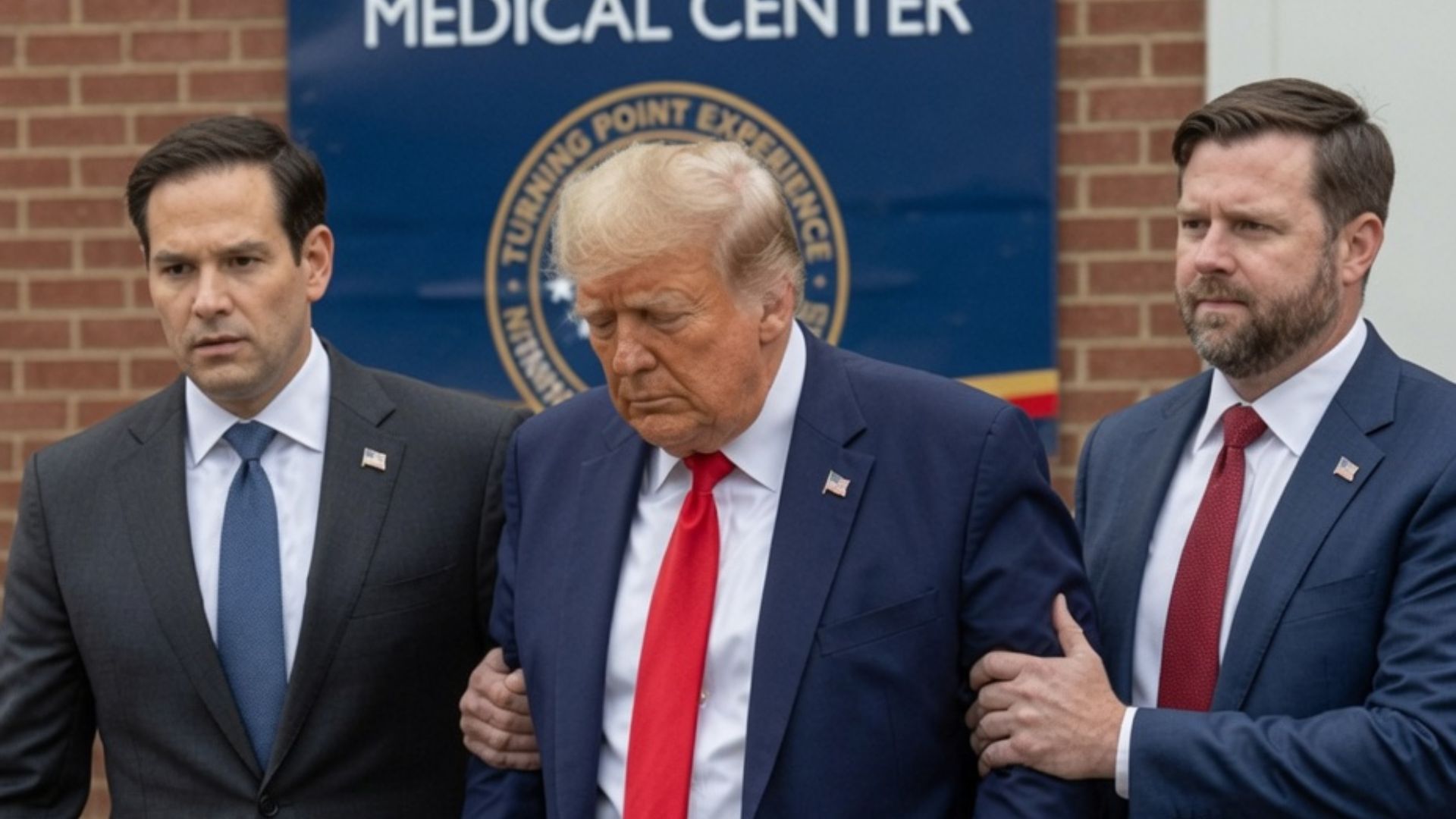
As these rumors moved from niche forums to mainstream social media platforms like X (formerly Twitter) and Facebook, they gained exponential momentum. Digital users began sharing posts suggesting that Donald Trump had been urgently admitted to the Walter Reed National Military Medical Center. Despite the total absence of eyewitness evidence or official confirmation, the narrative was amplified by platform algorithms designed to highlight high-engagement content. This created a feedback loop where the more a claim was shared, the more legitimate it appeared to casual observers, leading to widespread confusion among both supporters and the general public.
The official response to this burgeoning crisis was swift but faced the difficult task of debunking a narrative that had already reached millions. Authorities and representatives for the former president issued clear statements clarifying that reports of a hospitalization at Walter Reed National Military Medical Center were factually incorrect. These officials confirmed that Donald Trump remained at his private residence, continuing his daily responsibilities without interruption. This direct intervention was necessary to stabilize the public narrative and mitigate the potential for panic or market volatility that often accompanies news of a leader’s ill health.
To provide broader context, it is important to note that public interest in the health of Donald Trump is not a new development. Past medical disclosures have mentioned that he has been diagnosed with chronic venous insufficiency, a condition involving the dysfunction of vein valves, typically in the legs. While medical experts categorize this as a common and manageable condition, particularly among older populations, its existence is often weaponized by online speculators during times of uncertainty. However, official sources have been clear that this condition was in no way related to the recent schedule changes, nor has there been any recent decline in his overall health status.
The role of fact-checking organizations and reputable news outlets was pivotal during this episode. These entities acted as a necessary brake on the runaway train of social media speculation, reminding audiences of the vital importance of verified information. The incident underscores a growing need for media literacy among the general public. In a world where anyone can claim to be a source of news, the ability to distinguish between a verified report and an unconfirmed rumor is a fundamental skill for navigating the modern information landscape.
Furthermore, the event highlights the immense pressure placed on public figures and their communications teams. In the digital age, the ‘right to privacy’ often clashes with the public’s ‘demand to know.’ When Donald Trump canceled his appearances, the resulting vacuum was filled with assumptions. This teaches a valuable lesson in crisis communication: in the absence of a proactive narrative, the public will inevitably create their own, often opting for the most dramatic interpretation possible. For journalists, it reinforces the principle that silence from an official source is often the loudest part of a story.
In conclusion, the flurry of activity surrounding the health of Donald Trump was less about a medical reality and more about the mechanics of digital misinformation. It revealed the interconnectedness of public visibility, social media amplification, and the human tendency to speculate on the well-being of influential leaders. As the discourse settles, the primary takeaway remains the necessity of patience and the prioritization of credible, official sources. Moving forward, the media environment will likely continue to face these challenges, making the commitment to journalistic integrity and factual accuracy more important than ever before.