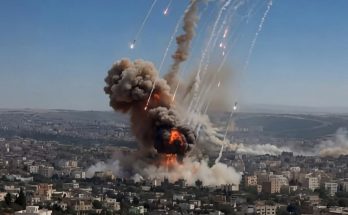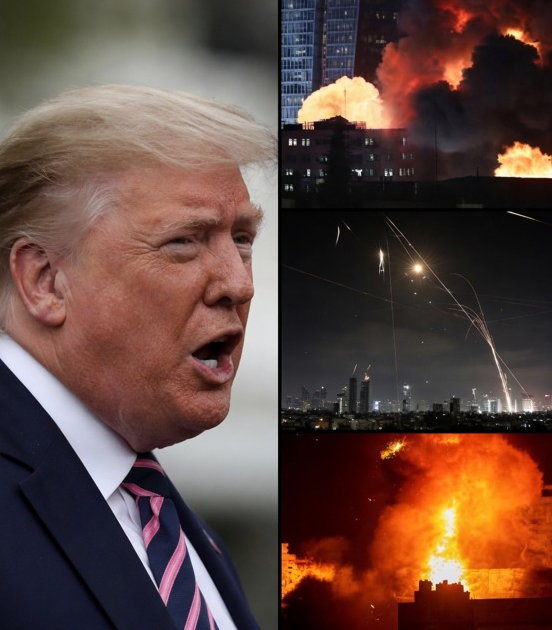
Israel has recently transitioned into a state of heightened security, marked by a significant increase in military readiness and the implementation of robust defensive precautions. Official statements indicate that these measures are a direct response to emerging threats in a region characterized by its volatile and complex geopolitical landscape. To ensure national security and protect the civilian population, authorities have authorized the activation of high-tech surveillance operations, closer intelligence coordination among various agencies, and the deployment of sophisticated air defense systems.
The current tensions are not viewed as isolated incidents but rather as part of a broader historical context involving the Middle East. Given its geographic proximity to zones of political instability and shifting alliances, Israel often faces rapidly changing security conditions. Analysts point out that modern regional friction frequently involves a diverse array of both state and non-state actors, which makes the early stages of tension particularly difficult to navigate. In response, civil defense advisories have been distributed throughout major cities, emphasizing the importance of staying informed via official communication channels as emergency response services maintain a state of high alert. Strategic leaders in Israel have adopted a comprehensive approach that merges immediate defense capabilities with proactive diplomatic engagement. While the reinforcement of defensive barriers is a priority, the government recognizes that communication with international partners is essential for de-escalating potential conflicts. Organizations such as the United Nations play a pivotal role in this process, advocating for restraint and supporting humanitarian efforts. Global leaders continue to call for cooperation, stressing that regional stability is paramount to preventing a wider crisis. Furthermore, the situation highlights the human element of geopolitical strife. Residents in high-risk areas endure significant uncertainty and disruption to their daily lives, which brings the need for humanitarian support and reliable information to the forefront. As developments continue to unfold, international observers and policymakers remain focused on diplomatic developments and security responses. The goal remains to find a viable path toward long-term stability, ensuring that the safety of civilians is prioritized amidst the ongoing strategic rivalries and territorial disputes that define the region today.