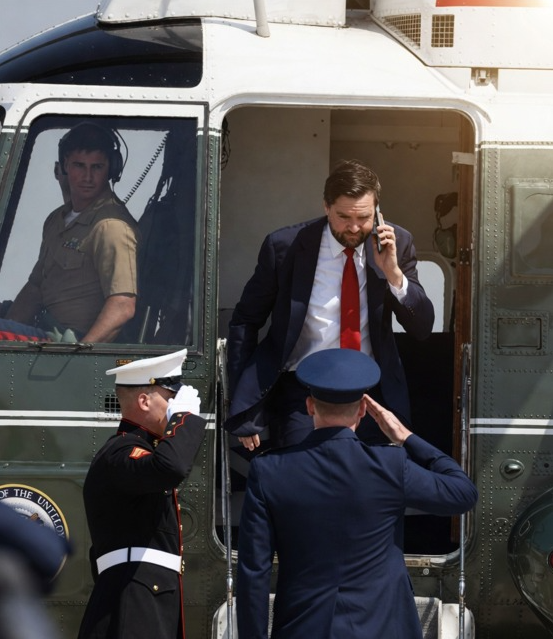
The diplomatic landscape surrounding the conflict with Iran reached a critical juncture on Tuesday as Vice President JD Vance abruptly delayed his high-profile mission to Islamabad, Pakistan. Initially scheduled to lead a high-level negotiating team to the Pakistani capital, Vance was instead summoned back to the White House for urgent policy consultations. As reported by CNN’s Alayna Treene in a briefing to Wolf Blitzer and Pamela Brown, the status of the trip remains uncertain. The delay appears to be rooted in the lack of a definitive confirmation regarding Iran‘s willingness to send a delegation to the peace talks, casting a shadow over the Trump administration’s efforts to secure a long-term resolution. This latest setback follows a series of unsuccessful attempts to bridge the divide between Washington and Tehran. Earlier this month, Vance, accompanied by special envoy Steve Witkoff and senior adviser Jared Kushner, engaged in preliminary discussions in Pakistan. Those talks ended without a breakthrough, primarily because the United States demanded an “affirmative commitment” that Iran would abandon its nuclear weapons program—a condition the Iranian leadership has so far refused to meet. Vance previously characterized this failure as a greater loss for Iran than for the United States, reflecting the administration’s strategy of leveraging severe economic and military pressure to force compliance.
Simultaneous with these diplomatic maneuvers, the U.S. Central Command has significantly intensified its enforcement of a maritime blockade. U.S. naval forces in the Gulf of Oman have reportedly intercepted and diverted at least 28 vessels attempting to enter or exit Iranian ports. While military officials declined to confirm if any ships have managed to breach the perimeter, they issued a stern warning that any vessel currently within Iranian waters would be unable to bypass the blockade upon departure. This “maximum pressure” tactic is intended to squeeze the Iranian economy as the two-week ceasefire, brokered between the United States, Israel, and Iran, nears its expiration date this Wednesday. In Islamabad, Pakistani officials continue to act as the primary mediators in the escalating crisis. Information Minister Attaullah Tarar noted that while Pakistani facilitators are in constant communication with Tehran, they are still awaiting a formal response regarding the attendance of an Iranian delegation. The urgency of the situation was underscored during a meeting between U.S. Chargé d’Affaires Natalie Baker and Pakistani Deputy Prime Minister Ishaq Dar. The Pakistani Ministry of Foreign Affairs emphasized that Dar is advocating for continued engagement and an extension of the ceasefire, viewing diplomacy as the only viable path to regional stability. However, the tone from Tehran remains defiant; Iranian President Masoud Pezeshkian recently used social media to mock Donald Trump and the American negotiation strategy, suggesting a significant cognitive gap between the two nations. The clock is now ticking on a final resolution, with President Donald Trump signaling a hard deadline. In a recent interview with CNBC, Trump expressed a clear reluctance to extend the temporary ceasefire, insisting that Iran must make a decisive deal immediately to restore its standing as a “wonderful nation.” As JD Vance remains at the White House to weigh the administration’s next steps, the world watches to see if the Islamabad Peace Talks will materialize or if the end of the ceasefire will trigger a new phase of escalation in the Middle East.