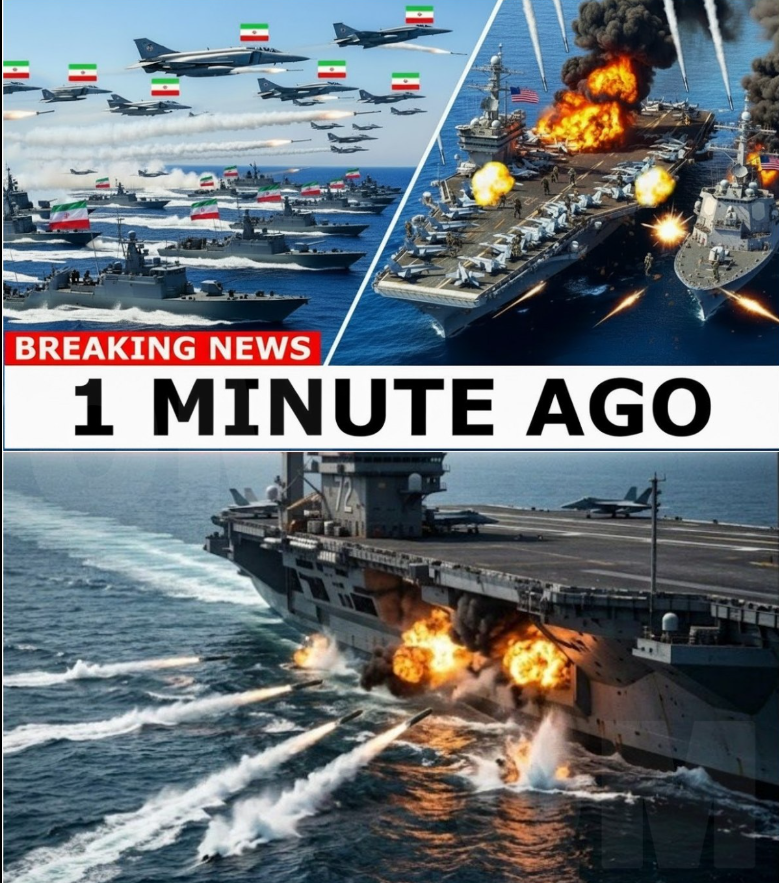
USS Abraham Lincoln Attack Scenario Imagines Naval Confrontation
The USS Abraham Lincoln attack scenario describes a hypothetical battle involving a U.S. aircraft carrier. The carrier, USS Abraham Lincoln (CVN-72), is a Nimitz-class vessel used by the United States Navy.
Aircraft carriers like the USS Abraham Lincoln serve as mobile bases for air power. Their mission is to project military strength and protect freedom of the seas.
In this fictional narrative, the carrier group enters a high-risk engagement zone. Consequently, tensions rise as potential threats approach the fleet.
The scenario imagines a coordinated strike involving multiple attack platforms. Therefore, the carrier’s defense systems must react quickly.
Hypothetical Attack Force in USS Abraham Lincoln Attack Scenario
The USS Abraham Lincoln attack scenario imagines a combined assault involving sea and air units. The narrative describes 25 fast attack boats moving toward the carrier.
At the same time, 18 fighter jets appear overhead. This creates a dual-front attack that challenges the carrier group’s defenses.
According to the fictional account, the attacking forces rely on speed and coordination. Such tactics are often associated with asymmetric naval strategies.
Meanwhile, radar systems aboard the carrier detect the incoming threats. This early warning triggers a rapid defensive response.
Layered Defense Systems Respond
The USS Abraham Lincoln attack scenario highlights the U.S. Navy’s layered defense structure. Multiple systems work together to protect the carrier.
One key system mentioned in the narrative is the Phalanx Close-In Weapon System. This automated defense weapon intercepts fast-moving threats.
The Phalanx CIWS rotates and fires rapidly to destroy approaching boats. Therefore, it forms a critical protective barrier around the ship.
Meanwhile, carrier-based fighter aircraft launch to intercept hostile jets. Pilots maneuver aggressively to defend the fleet.
Air Battle and Counteroffensive
The USS Abraham Lincoln attack scenario also describes an aerial counterattack. Carrier aircraft launch to challenge the incoming fighters.
Among the aircraft used in the narrative are Boeing F/A-18E/F Super Hornet fighters. These jets carry missiles and bombs for air combat operations.
The airspace quickly becomes contested as aircraft engage each other. Pilots execute complex maneuvers to gain tactical advantage.
Additionally, the carrier group coordinates its defensive systems during the engagement. This combined effort aims to protect the vessel and crew.
The Human Factor in the Battle
The USS Abraham Lincoln attack scenario also emphasizes the role of trained personnel. Sailors and pilots must respond quickly during high-pressure situations.
Crew members aboard the USS Abraham Lincoln rely on years of training. Their preparation includes drills and simulations designed for combat scenarios.
Every decision during such engagements carries serious consequences. Therefore, discipline and coordination remain essential.
The fictional narrative highlights the professionalism of the crew. Their actions represent the readiness expected within the United States Navy.
Aftermath of the USS Abraham Lincoln Attack Scenario
In the USS Abraham Lincoln attack scenario, the fictional battle eventually ends after intense fighting. The carrier’s defense systems prove capable of responding to multiple threats.
However, the story raises questions about the challenges of modern naval warfare. Even powerful forces must remain alert to evolving tactics.
The scenario also illustrates the complexity of defending large naval assets. Coordinated attacks from air and sea can create significant pressure.
Finally, the narrative stresses that the entire event is fictional. The scenario serves as an exploration of potential strategies rather than a real-world incident.