Supreme Court Warning to Lower Courts on Following Precedent
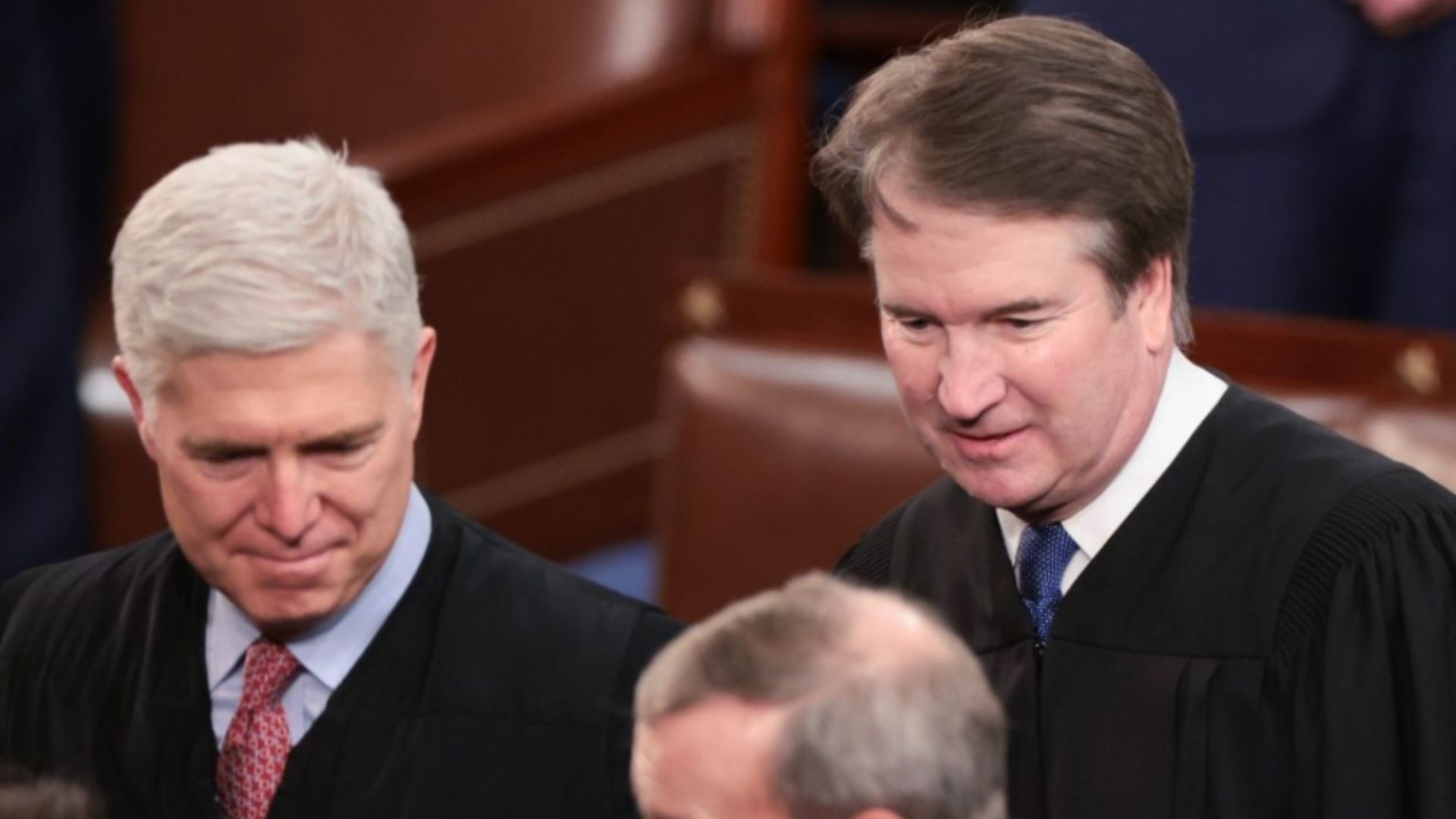
The Supreme Court warning to lower courts was issued by Justice Neil Gorsuch with support from Justice Brett Kavanaugh. The justices cautioned federal judges against disregarding decisions made by the high court.
Gorsuch wrote that lower court judges may disagree with Supreme Court rulings. However, he stressed they are not free to defy them.
The warning came in a case involving the administration of Donald Trump. The dispute focused on the cancellation of nearly $800 million in federal research grants.
Meanwhile, the decision allowed the administration to keep the grants frozen. The ruling overturned an earlier decision by U.S. District Judge William Young.
Supreme Court Warning to Lower Courts After Repeated Interventions
The Supreme Court warning to lower courts followed several recent interventions by the justices. Gorsuch noted that the court had stepped into similar disputes multiple times in recent weeks.
He explained that these cases were controlled by earlier Supreme Court precedents. Therefore, lower courts were expected to follow those decisions.
Gorsuch stated that when the Supreme Court issues a decision, it becomes binding precedent. According to him, such rulings require respect from lower courts.
The decision also criticized the district court for ignoring an earlier Supreme Court order. As a result, the administration’s policy remained in effect.
Debate Over the Supreme Court’s Emergency Rulings
Discussion about the Supreme Court warning to lower courts occurred alongside broader criticism of the court’s emergency rulings. Justice Ketanji Brown Jackson raised concerns about this process.
She criticized the increasing use of emergency decisions, sometimes called the “shadow docket.” These rulings often occur without full arguments or written opinions.
Jackson described the process as a “warped kind of proceeding.” She argued that it may not serve the court or the country well.
Meanwhile, she suggested that fewer emergency applications might reach the court if the justices were more reluctant to grant them.
Kavanaugh Defends Court’s Role in Emergency Cases
Justice Brett Kavanaugh defended the court’s approach to emergency cases. He said the justices cannot ignore urgent requests that reach the court.
Kavanaugh explained that failing to act could allow a single lower court decision to determine national policy. Therefore, the Supreme Court must respond when federal policies face immediate legal challenges.
He also noted that emergency litigation has increased during multiple administrations. According to Kavanaugh, similar requests were granted during the presidency of Joe Biden.
Additionally, he said modern presidents increasingly rely on executive actions. This trend often occurs when Congress struggles to pass legislation.
Broader Judicial and Political Context
The Supreme Court warning to lower courts reflects broader tensions within the judiciary. Legal battles over executive actions have become more frequent in recent years.
These disputes often involve nationwide injunctions issued by lower courts. Such rulings can block federal policies across the country.
Kavanaugh said this dynamic has turned federal courts into a central arena for political and policy conflicts. Meanwhile, the justices sometimes choose to hear full arguments instead of issuing emergency rulings.
Justice Samuel Alito also criticized a lower court ruling in a separate case involving a Trump policy. He described the judge’s action as an “act of judicial hubris.”
Chief Justice Roberts Addresses Judicial Independence
During discussions about the Supreme Court warning to lower courts, attention also turned to the role of John Roberts. Kavanaugh praised the chief justice for guiding the court during politically tense moments.
Roberts recently rejected calls to impeach judges who ruled against the Trump administration. He said impeachment should not be used as punishment for judicial decisions.
Jackson acknowledged that the situation remains complicated. She concluded that there is no simple solution to the issue.