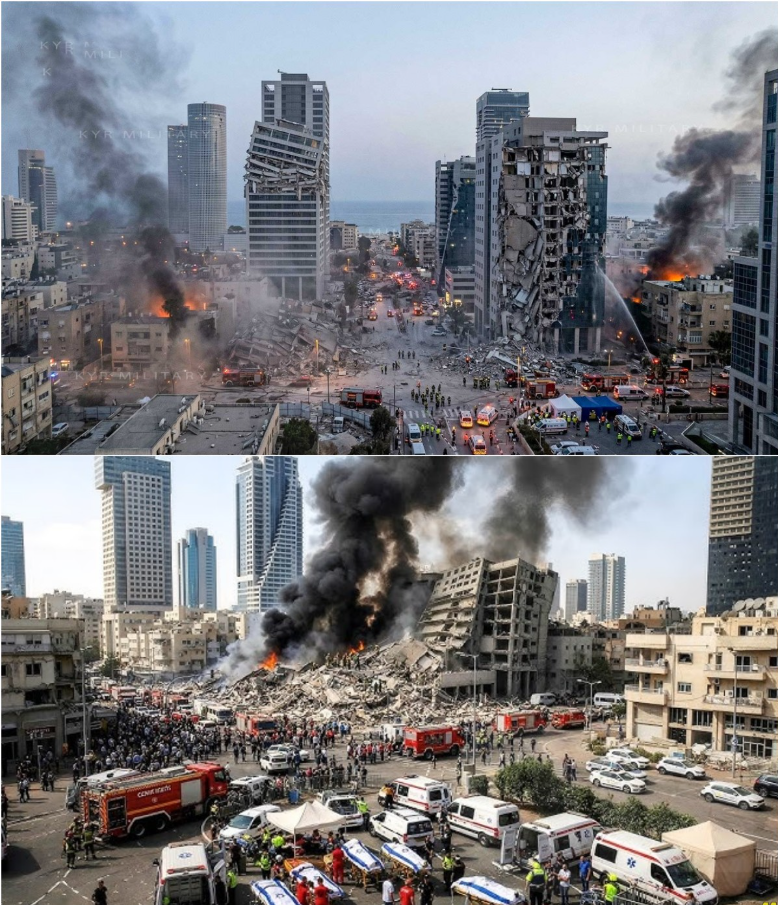
Israel Escalate Regional Tensions
The mark a significant escalation in hostilities between the two nations. Reports describe multiple long-range ballistic missiles targeting Israeli territory.
Explosions and warning sirens were heard in major areas including Tel Aviv. The attacks created widespread concern across the region.
The conflict has drawn global attention because of its potential geopolitical consequences. Analysts say the situation could reshape regional security dynamics.
Meanwhile, Israeli air defense systems were deployed to intercept incoming missiles. These defensive measures aim to reduce damage and protect civilian areas.
Impact of Iran Missile Attacks on Israel’s Civilian Population
The Iran missile attacks on Israel have placed significant pressure on civilians across the country. Emergency sirens have forced families to seek shelter in bunkers.
Residents rushed indoors as alerts warned of incoming missiles. The repeated alarms have heightened fear among communities.
Parents remain concerned about the safety of their families during these attacks. Children have grown accustomed to hearing sirens and explosions.
Additionally, the ongoing threat has increased psychological stress for many residents. Reports indicate rising anxiety as people navigate daily life under missile alerts.
Israeli Defense Systems Face Major Test
The Iran missile attacks on Israel are also testing the country’s advanced defense technology. Israel relies heavily on the Iron Dome to intercept incoming projectiles.
Military experts say the missile barrage appears designed to challenge these defenses. By launching repeated attacks, adversaries may attempt to overwhelm interception systems.
Israel’s defensive network tracks incoming missiles and launches interceptors. However, the frequency of attacks increases operational pressure.
Defense analysts are closely monitoring the effectiveness of the Iron Dome system. The results could influence future military planning.
Strategic Implications of the Conflict
The Iran missile attacks on Israel carry broader strategic implications. Military observers say the attacks demonstrate Iran’s missile capabilities.
By launching repeated strikes, Iran may be signaling its role in regional power dynamics. Such actions could alter the strategic balance in the Middle East.
The conflict also raises questions about potential retaliation. Analysts are debating whether Israel will escalate military responses or pursue diplomatic channels.
Therefore, the situation remains highly unpredictable. Regional tensions could intensify depending on future developments.
Wider Geopolitical and Economic Concerns
The Iran missile attacks on Israel may also affect the wider international landscape. The Middle East plays a central role in global energy supply routes.
Disruptions in the region can affect shipping lanes and oil markets. Therefore, governments worldwide are monitoring the situation closely.
Meanwhile, international organizations such as the United Nations are calling for restraint. Diplomatic efforts aim to prevent further escalation.
Countries across the world have emphasized dialogue and conflict resolution. However, the situation remains complex due to competing regional interests.
Information Transparency During the Conflict
Information control has also become an important issue during the Iran missile attacks on Israel. Reports suggest that some damage details have not been fully disclosed.
Governments often manage information flow during conflicts. This practice can shape public perception and security messaging.
However, transparency remains critical during crises. Accurate information helps communities make informed decisions about safety.
As the conflict continues, observers say information management will remain an important factor. Public trust often depends on clear and reliable communication.