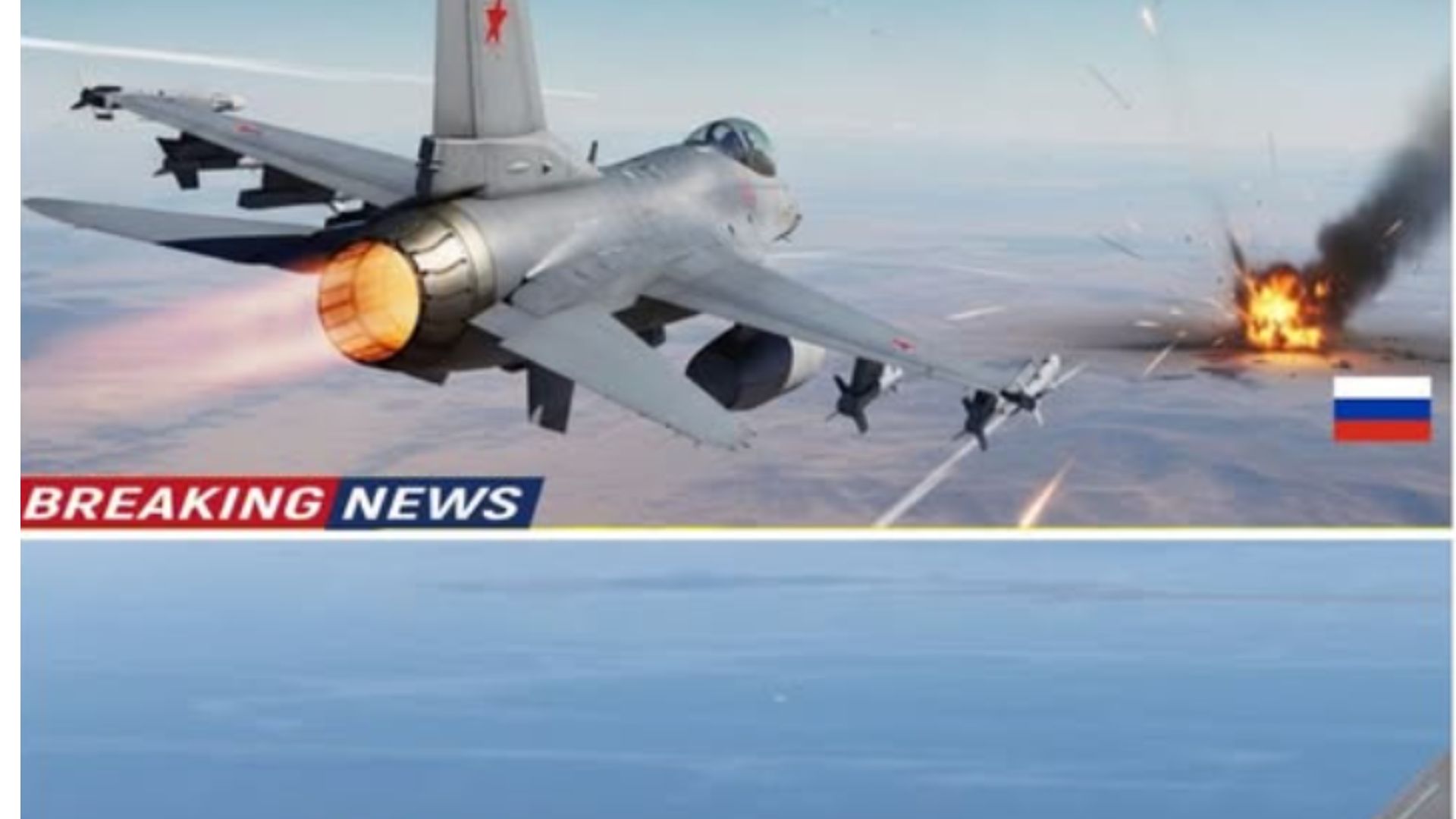
U.S. Missile Strike Iran Begins With Overnight Attack
The U.S. missile strike Iran reportedly began at 1:15 a.m. with a powerful missile impact. The attack destroyed a $500 million S-400 Triumph air defense battery.
According to the report, the strike marked the opening phase of a 60-hour operation. The campaign aimed to dismantle advanced military systems deployed in Iran.
Within the first 24 hours, more than 1,000 high-value targets were reportedly neutralized. As a result, U.S. forces quickly established air superiority.
Iranian state media attempted to portray resilience during the operation. However, reports indicated key air defense systems were disabled early.
Air Defense Systems Targeted in Early Phase
During the U.S. missile strike Iran, several air defense platforms were reportedly destroyed. These included the Russian-made S-400, Bou M3, and Pancer S1 systems.
Iran’s fleet of Su-35 Flanker E fighter jets was reportedly caught off guard. The aircraft could not respond before the first missile strike occurred.
The operation reportedly relied on cyber warfare and advanced military technology. These tactics disrupted critical command and surveillance systems.
The report stated that radar and GPS networks were disabled early. Consequently, Iranian forces struggled to track incoming threats.
Cyber Warfare and Naval Firepower
U.S. cyber operations reportedly began the U.S. missile strike Iran campaign. Cyber units disrupted radar networks and early warning systems.
This disruption allowed naval forces to launch Tomahawk cruise missiles. The missiles were fired from Arleigh Burke-class destroyers in nearby waters.
The Tomahawk strikes targeted long-range radar installations. By 1:45 a.m., reports indicated major air defense networks had collapsed.
This created an opportunity for stealth aircraft operations. As a result, advanced fighter jets entered the airspace.
Stealth Aircraft and Strategic Bombers Deployed
Stealth aircraft reportedly played a major role in the U.S. missile strike Iran operation. F-35 fighters used advanced radar to locate hidden missile launchers.
These launchers were reportedly placed near civilian areas. F-35 jets launched AGM-88 missiles to destroy the systems.
Later, B-2 Spirit bombers joined the mission at approximately 3:00 a.m. The bombers deployed Massive Ordnance Penetrator bombs.
These weapons targeted underground missile silos. The bombs reportedly collapsed reinforced bunkers containing missile stockpiles.
Naval Defense and Ground Operations
During the operation, Iranian fast attack boats reportedly attempted to approach U.S. naval forces. However, U.S. defenses responded quickly.
The USS Abraham Lincoln carrier group remained deployed in the region. Meanwhile, the USS Mason activated its Aegis combat system to intercept incoming threats.
Helicopters reportedly targeted fast boats before they launched attacks. Therefore, naval forces maintained control of nearby waters.
On land, Iranian mobile missile launchers attempted to reposition. However, M142 HIMARS units reportedly destroyed these targets quickly.
Communications Disrupted Across Iranian Forces
The U.S. missile strike Iran campaign also targeted communication networks. Iranian forces reportedly lost key command channels.
U.S. EA-18G Growler aircraft flew electronic warfare missions overhead. These aircraft jammed radio frequencies used by Iranian commanders.
As a result, military coordination reportedly became difficult. Some units reportedly relied on outdated communication methods.
Reports stated the operation also protected global trade routes. In particular, forces sought to secure shipping lanes near the Strait of Hormuz.