Supreme Court Shadow Docket Debate Emerges at Courthouse Event
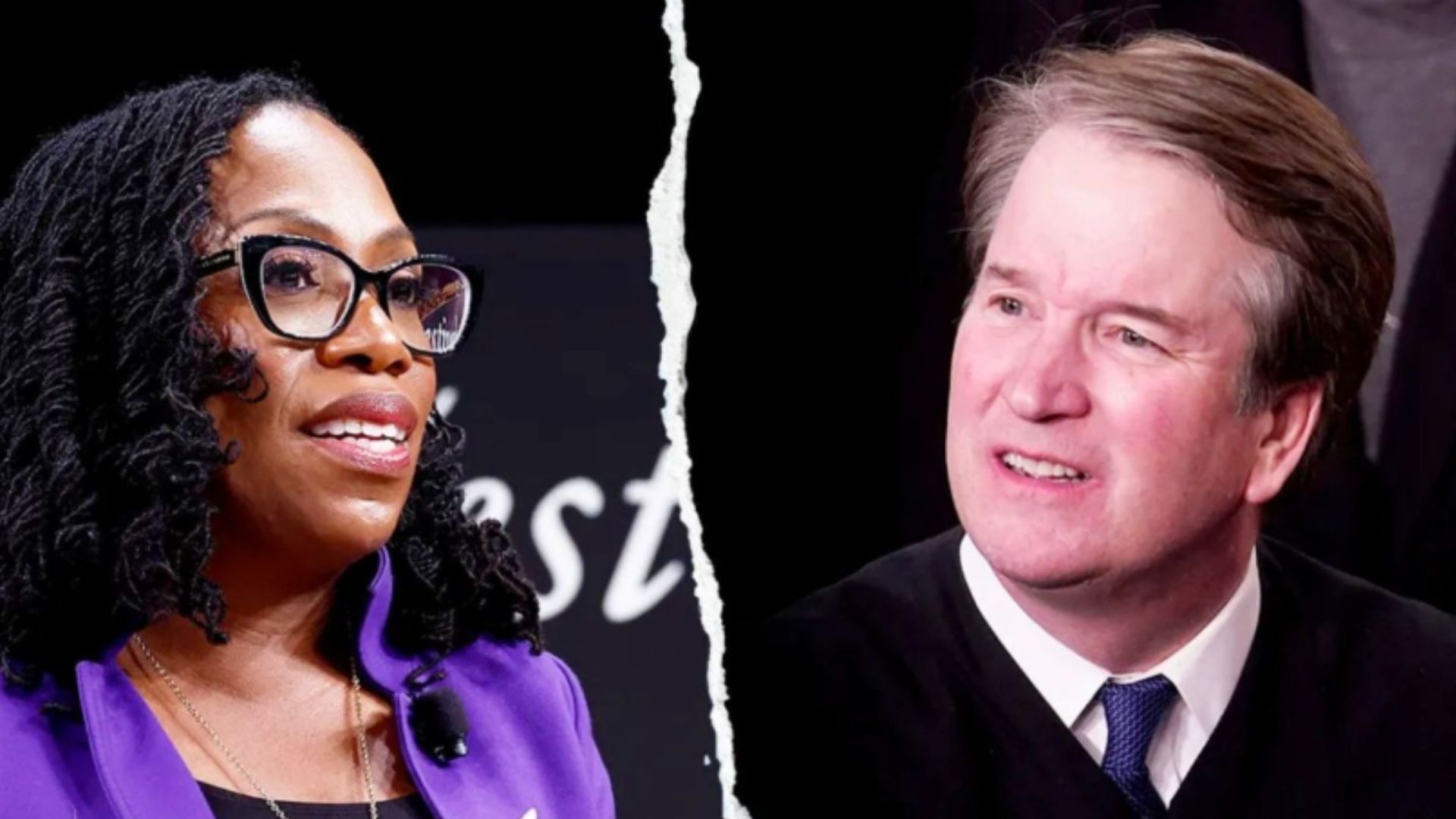
The Supreme Court shadow docket became the focus of a rare public disagreement between two justices. The exchange occurred during a courthouse event attended by lawyers and judges in Washington.
Ketanji Brown Jackson and Brett Kavanaugh participated in the discussion. Senior U.S. District Judge Paul Friedman moderated the conversation.
The event lasted about an hour. However, the discussion quickly moved beyond the typical tone of judicial appearances.
Both justices addressed the court’s growing reliance on emergency rulings. These decisions often occur before full legal arguments reach the court.
Jackson Criticizes Supreme Court Shadow Docket Practices
Justice Jackson raised strong concerns about the Supreme Court shadow docket. She criticized the court’s increasing willingness to resolve major disputes through emergency procedures.
The shadow docket allows justices to issue rulings without full briefing or oral arguments. Decisions also sometimes lack detailed written opinions.
Jackson said the growing number of emergency interventions presents a serious problem. She described the process as “a warped kind of proceeding.”
Additionally, Jackson suggested the court’s approach could affect lower courts. Judges might issue broader rulings if they expect Supreme Court intervention.
Kavanaugh Defends Court Role in Emergency Decisions
Justice Kavanaugh offered a different perspective on the Supreme Court shadow docket. He argued the court cannot ignore emergency requests when they reach the justices.
According to Kavanaugh, failing to act would allow a single lower court decision to control national policy. That outcome could affect federal programs and government actions.
He also emphasized that justices do not enjoy handling emergency cases. However, he said responding to urgent applications remains part of the court’s responsibility.
Kavanaugh noted that emergency litigation has increased in recent years. The rise reflects broader political and legal trends.
Emergency Litigation Reflects Changing Policy Landscape
The Supreme Court shadow docket debate also highlights shifts in how modern governments operate. Presidents increasingly rely on executive actions and administrative policies.
Kavanaugh said this pattern stems partly from congressional gridlock. Lawmakers often struggle to pass major legislation in a divided political environment.
As a result, disputes over executive policies frequently reach the courts. Lower courts sometimes issue nationwide injunctions that affect federal actions.
The Supreme Court often receives emergency appeals in those situations. The growing number of cases continues to shape debate about the court’s procedures.