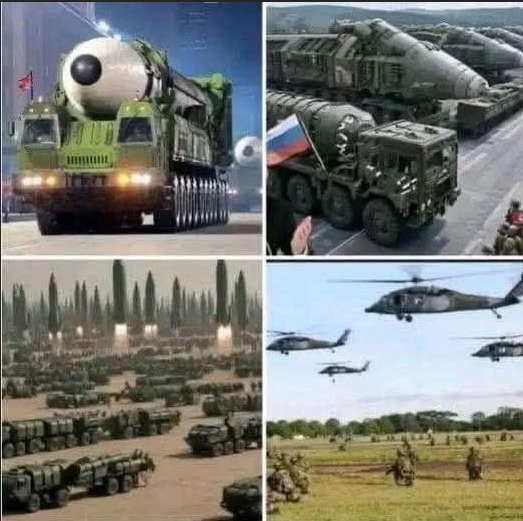
Europe Defense Readiness Tested by Ukraine War
The Europe defense readiness debate grew stronger after the invasion of Ukraine. The war changed how European leaders assess security threats.
For decades, European stability relied heavily on diplomacy and economic cooperation. Additionally, transatlantic security partnerships helped maintain peace across the continent.
However, the conflict in Ukraine disrupted these assumptions. Policymakers now question whether current defense structures remain sufficient.
Meanwhile, the European Union faces pressure to increase military preparedness. Leaders believe stronger capabilities are necessary to deter future threats.
EU Leaders Push New Europe Defense Readiness Plans
Efforts to improve Europe defense readiness have accelerated in recent months. Officials in Brussels are focusing on stronger military coordination and deterrence strategies.
Last December, the European Union approved a €90 billion loan package to support Ukraine. The funding demonstrates continued backing during the ongoing war.
Additionally, Ursula von der Leyen announced new defense initiatives. She said the plans aim to strengthen European deterrence capabilities by 2030.
These initiatives seek to expand defense capacity across member states. Leaders also hope the policies will maintain unity during a period of rising tension.
Military Warnings Raise Concerns About Europe Defense Readiness
Concerns about Europe defense readiness increased after several warnings from military leaders. Officials have highlighted the potential risk of future conflict.
Vladimir Putin said Russia was prepared to fight if necessary. He warned there could be “no one left to negotiate with.”
Around the same time, Mark Rutte issued a separate warning. He suggested Russia could target NATO territory within five years.
These statements raised alarms across European capitals. Security planners began emphasizing the importance of long-term defense preparation.
European Leaders Stress Need for Stronger Security
Several European officials have also voiced concern about regional stability. Defense leaders say the continent must prepare for evolving threats.
Boris Pistorius warned that Europe may have experienced its “last summer of peace.” His remarks reflected growing anxiety among defense planners.
European governments are now expanding military cooperation and planning. They aim to deter potential aggression while maintaining political unity.
As a result, Europe defense readiness has become a central issue in policy discussions. The decisions made today could shape European security for decades.