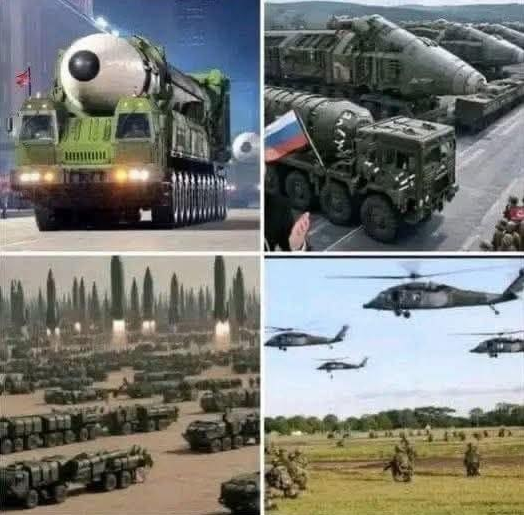
The discussion about Europe defense readiness expanded rapidly following the Russian invasion of Ukraine. The conflict challenged decades of security thinking across Europe.
For many years, European governments relied heavily on diplomacy and economic integration. Additionally, transatlantic security guarantees helped maintain stability across the continent.
However, confidence in that approach has weakened. The war in Ukraine continues to reshape security discussions across the European Union.
Meanwhile, the United States has increased pressure on European allies. Washington has urged partners to strengthen their own defence responsibilities.
Europe Defense Readiness Plans from EU Leaders
EU leaders meeting in Brussels have begun focusing on stronger deterrence capabilities. Their goal is to reinforce Europe’s military and strategic foundations.
Last December, EU leaders approved a €90 billion loan package supporting Ukraine. The funding demonstrates continued European backing during the war.
Additionally, Ursula von der Leyen announced new defence initiatives. The European Commission president said the measures aim to strengthen deterrence by 2030.
These initiatives focus on improving military capacity and readiness across Europe. Leaders also hope to maintain unity among EU member states.
Military Warnings Raise Europe Defense Readiness Concerns
Several warnings from military officials increased concern about Europe defense readiness. Security experts say the risk of future conflict cannot be ignored.
On 2 December, Vladimir Putin warned Russia was prepared to fight if necessary. He added that there could be “no one left to negotiate with.”
Around the same time, Mark Rutte issued a stark warning about future threats. The NATO Secretary General said Russia could target NATO territory within five years.
These comments heightened concerns among European policymakers. Defence leaders now stress the need for stronger military planning.
European Leaders Respond to Defense Challenges
German officials also voiced concerns about rising security risks. Boris Pistorius warned Europe may have experienced its “last summer of peace.”
The statement reflects growing anxiety among defence leaders across the continent. Many now believe conflict risks in Europe are no longer theoretical.
Meanwhile, European governments continue strengthening military cooperation. Leaders aim to deter aggression while preserving political unity.
Therefore, Europe defense readiness has become a central issue for policymakers. The decisions made today may shape European security for decades.