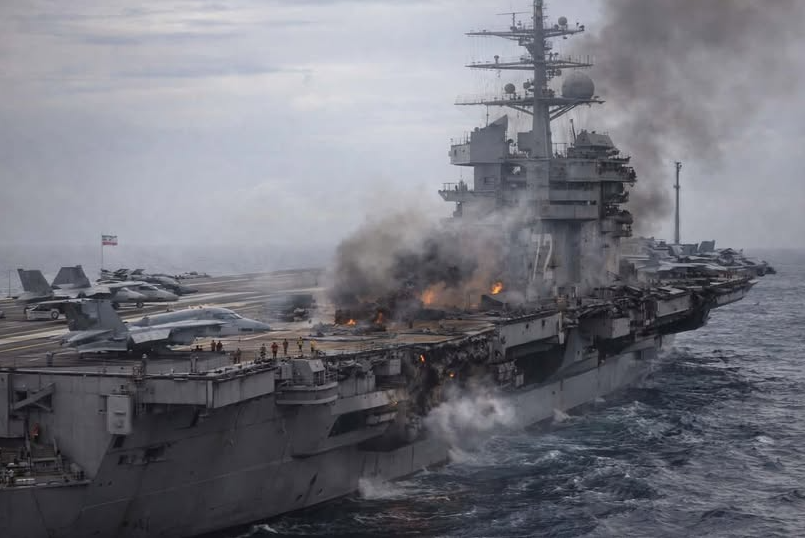
Iran Claims Strike on USS Abraham Lincoln: What We Know Amid Escalating Gulf Tensions
Iranian officials and state media claimed a retaliatory strike targeted the USS Abraham Lincoln aircraft carrier in the Gulf. Tehran described the action as a direct response to U.S. and Israeli military operations. However, U.S. Central Command (CENTCOM) quickly denied any hit. No independent evidence confirms damage to the vessel as of March 10, 2026.
Tensions run high in the region. Markets show nervous volatility in oil prices. Regional forces stay on high alert. This developing story highlights risks of direct U.S.-Iran confrontation.
Iran’s Claims and Reported Details
Iran’s Islamic Revolutionary Guard Corps (IRGC) stated they launched missiles or cruise missiles toward the USS Abraham Lincoln. Some reports mentioned ballistic missiles or drones near the Strait of Hormuz or Gulf of Oman. Iranian sources called it part of ongoing retaliation after U.S.-Israeli strikes began in late February 2026.
For example, state-linked outlets shared footage claiming launches toward the carrier. Tehran framed the move as defending against aggression. However, these claims lack verifiable proof like clear damage photos or satellite confirmation.
U.S. Response and Official Denials
CENTCOM rejected the Iranian assertions outright. Officials stated the missiles “didn’t even come close” to the Lincoln. The carrier continues normal operations, launching aircraft in support of ongoing missions.
The U.S. military released recent photos of the USS Abraham Lincoln at sea in the Arabian Sea. This visual evidence counters claims of sinking or withdrawal. Pentagon statements emphasize no successful strike occurred.
No U.S. casualties tied directly to this incident have been reported on the carrier. Earlier in the conflict, the U.S. confirmed some troop deaths and injuries from other Iranian actions.
Why the USS Abraham Lincoln Matters in This Conflict
The USS Abraham Lincoln serves as a key asset in Operation Epic Fury. This Nimitz-class carrier acts as a mobile airbase with massive strike power. It has supported joint U.S.-Israeli efforts against Iranian targets since late February.
Any confirmed hit would represent a major escalation. It could shift naval dynamics and raise fears of broader war. For now, the carrier remains operational and central to U.S. presence in the Gulf.
- Capabilities: Carries dozens of fighter jets, supports long-range strikes.
- Role: Projects power, defends allies, deters threats.
- Current status: Active in Arabian Sea/Gulf area, per official updates.
Market and Regional Reactions
Oil prices spiked sharply earlier in the week, briefly nearing $120 per barrel due to supply fears and Strait of Hormuz concerns. Volatility persists as claims and denials circulate. Prices dipped after calming statements but remain elevated compared to pre-conflict levels.
Gulf nations monitor closely. Shipping routes face risks if escalation continues. Analysts note that sustained disruption could impact global energy flows.
What Happens Next in the Gulf Conflict
The situation stays fluid. Iran vows further responses if attacks persist. U.S. officials warn against threats to shipping lanes like the Strait of Hormuz.
Independent verification remains key. Watch for updates from CENTCOM, the Pentagon, or trusted outlets like Reuters. Avoid unverified social media videos—many have proven false, including old game footage or AI-generated clips.
This episode underscores how quickly claims can fuel fear in a high-stakes region. Collaboration between allies and clear communication help contain panic. Stay informed through reliable sources for the latest verified developments.
Meta Description: Iran claims missile strike on USS Abraham Lincoln in Gulf retaliation—U.S. denies any hit as of March 10, 2026. Get facts, denials, oil price impacts, and what it means for escalating tensions. Read the full update now.
(For related reading: Check our posts on Iran-US war updates or Strait of Hormuz risks. External links: CENTCOM statement on X, Naval Today on carrier photos, Reuters energy market coverage.)