Trump’s Energy Quarantine on Cuba: Aiming to Topple Communist Regime
Trump’s energy quarantine on Cuba has intensified pressure on the island’s communist government. The policy targets fuel supplies in a bid to force change. Officials say the regime now faces its most serious survival crisis in decades. Shortages of food, medicine, and clean water are worsening. Repression is rising as leaders feel cornered.
This approach reflects a sharp shift in U.S. policy toward Havana. President Trump aims to end what he calls decades of weak responses to the regime’s actions. Many in Florida’s Cuban-American community support the move. Others warn of humanitarian costs for ordinary Cubans.
How the Energy Quarantine Works
The United States has blocked fuel shipments to Cuba. Ships carrying oil and diesel face strict restrictions. This creates severe shortages on the island.
Power outages last up to 20 hours a day in some areas. Water pumps fail without electricity. Food spoils faster. Hospitals struggle with basic supplies. Sebastián Arcos, interim director of the Cuban Research Institute at Florida International University, described the situation as dire.
He noted multiple epidemics spreading among the population. Repression has increased. The regime shows no sign of negotiating with Washington.
From my conversations with Cuban-American contacts in Miami, the blockade hits hardest in rural provinces. Families report long lines for basic goods. Many feel trapped between government control and daily hardship.
Trump’s Vision: “Friendly Takeover” or Regime Change?
President Trump suggested a “friendly takeover” of Cuba. He pointed to the Venezuela model. There, U.S. pressure helped remove key leaders while keeping some structures intact. The goal was greater economic cooperation.
Secretary of State Marco Rubio leads the current strategy. Reports say he met Raúl Castro’s grandson, Raúl Guillermo Rodríguez Castro, on the sidelines of a Caribbean conference in St. Kitts and Nevis. Rodríguez heads GAESA, the military-run conglomerate controlling much of Cuba’s economy.
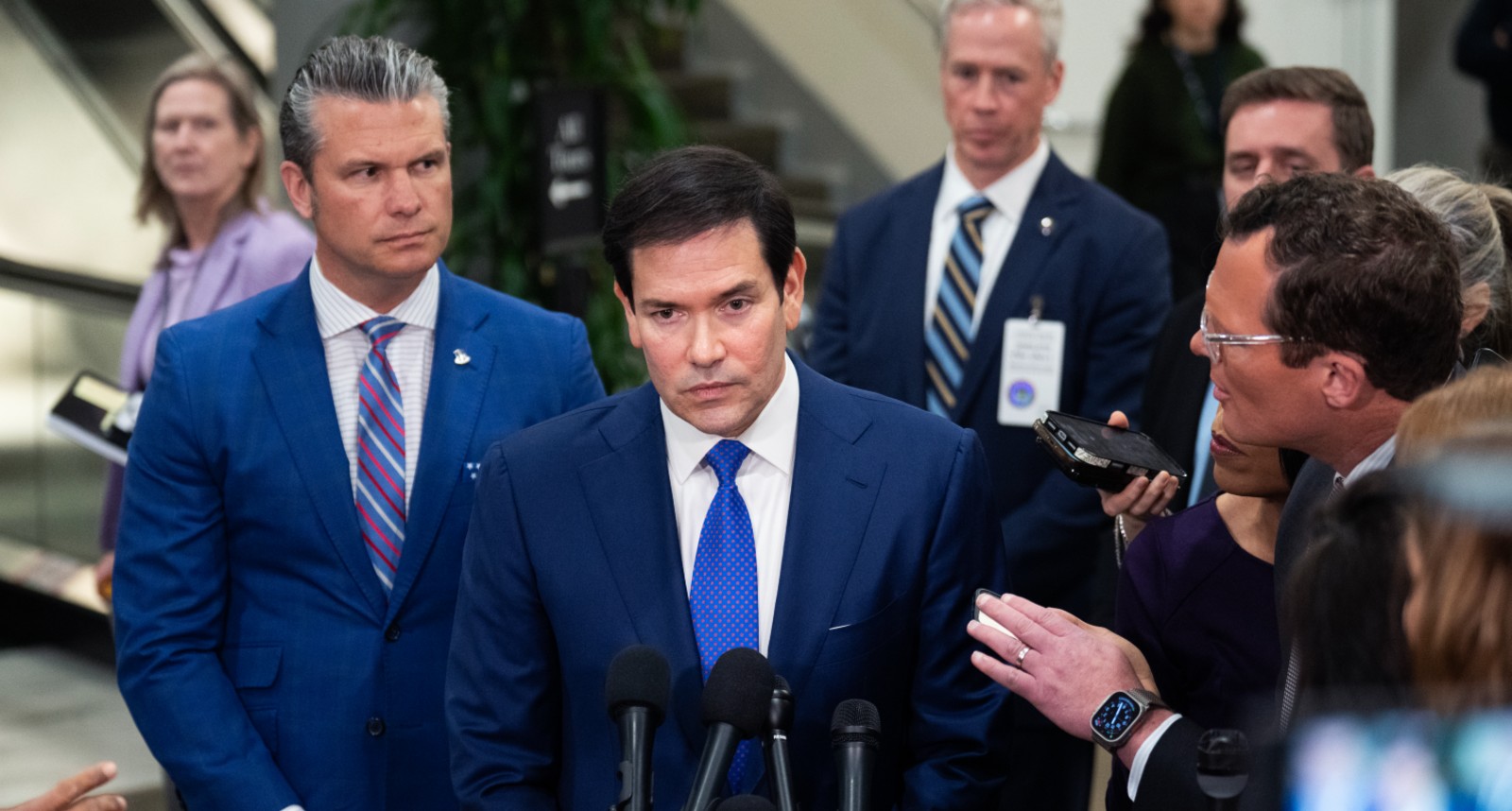
The Miami Herald estimated GAESA held about $18 billion in hidden assets in 2024. Rubio has signaled flexibility. He told reporters Cuba must change, but not all at once.
This messaging suggests the administration wants reform rather than total collapse. Critics argue the blockade still harms everyday people most.
Broader Context: Iran Strikes and Congressional Briefings
The Cuba policy unfolds alongside U.S.-Israel operations against Iran. White House Press Secretary Karoline Leavitt confirmed Secretary Rubio briefed congressional leaders before strikes began. She said he reached seven of the eight “Gang of Eight” members.
The Gang includes top congressional leaders and intelligence committee chairs. House Speaker Mike Johnson confirmed the briefings happened earlier in the week.
Rep. Thomas Massie (R-Ky.) and Rep. Ro Khanna (D-Calif.) criticized the process. They planned a vote to limit Trump’s ability to strike Iran without congressional approval.
Rubio also designated Iran a state sponsor of wrongful detention. He cited Trump’s executive order and the Countering Wrongful Detention Act of 2025. Further steps could include travel restrictions on U.S. passports for Iran.
Humanitarian Impact on Cuban Citizens
Cuba’s 10 million people face growing hardship. Decades of economic problems have worsened. Fuel shortages cripple transportation and power generation. Medicine and food lines stretch longer each week.
International aid groups report rising malnutrition in children. Hospitals lack basic supplies. Many Cubans rely on remittances from relatives in Florida. The quarantine makes those transfers harder.
Arcos warned the regime has survived tough times before. He said leaders show no willingness to negotiate yet. Still, he believes this crisis may prove different.
Why This Policy Matters to Americans
Florida’s large Cuban-American community watches closely. Many families still have relatives on the island. They hope pressure leads to real change.
National security experts note Cuba’s ties to Iran and other U.S. adversaries. Reducing those links serves broader interests. At the same time, humanitarian concerns remain real.
The administration insists the goal is a freer Cuba. Critics fear prolonged suffering without clear results.
What Comes Next for U.S.-Cuba Policy
Talks with Raúl Castro’s grandson suggest back-channel efforts continue. Rubio’s comments leave room for gradual reform. The blockade likely stays in place until significant concessions occur.
Regional partners like Mexico and Canada monitor the situation. Humanitarian groups push for exemptions on medicine and food shipments.
For now, the pressure remains high. The regime faces its toughest test in years.
For more details, see reports from Florida International University Cuban Research Institute or Miami Herald coverage.
FAQ on Trump’s Energy Quarantine on Cuba
What does the quarantine target? Fuel shipments to Cuba. This worsens shortages of power, water, food, and medicine.
Who is leading the U.S. strategy? Secretary of State Marco Rubio. He reportedly met Raúl Castro’s grandson recently.
Does the administration want full regime change? Rubio says change must happen, but not all at once. Trump mentioned a possible “friendly takeover.”
How are ordinary Cubans affected? Daily life grows harder. Power outages last up to 20 hours. Basic supplies become scarce.
What do experts predict? Some believe the regime may not survive this crisis. Others note its history of enduring hardship.
What do you think about this policy? Does it offer hope for change in Cuba, or raise too many humanitarian concerns? Share your views below.