Trump’s Quiet Moment in Washington: What the Stillness Really Meant
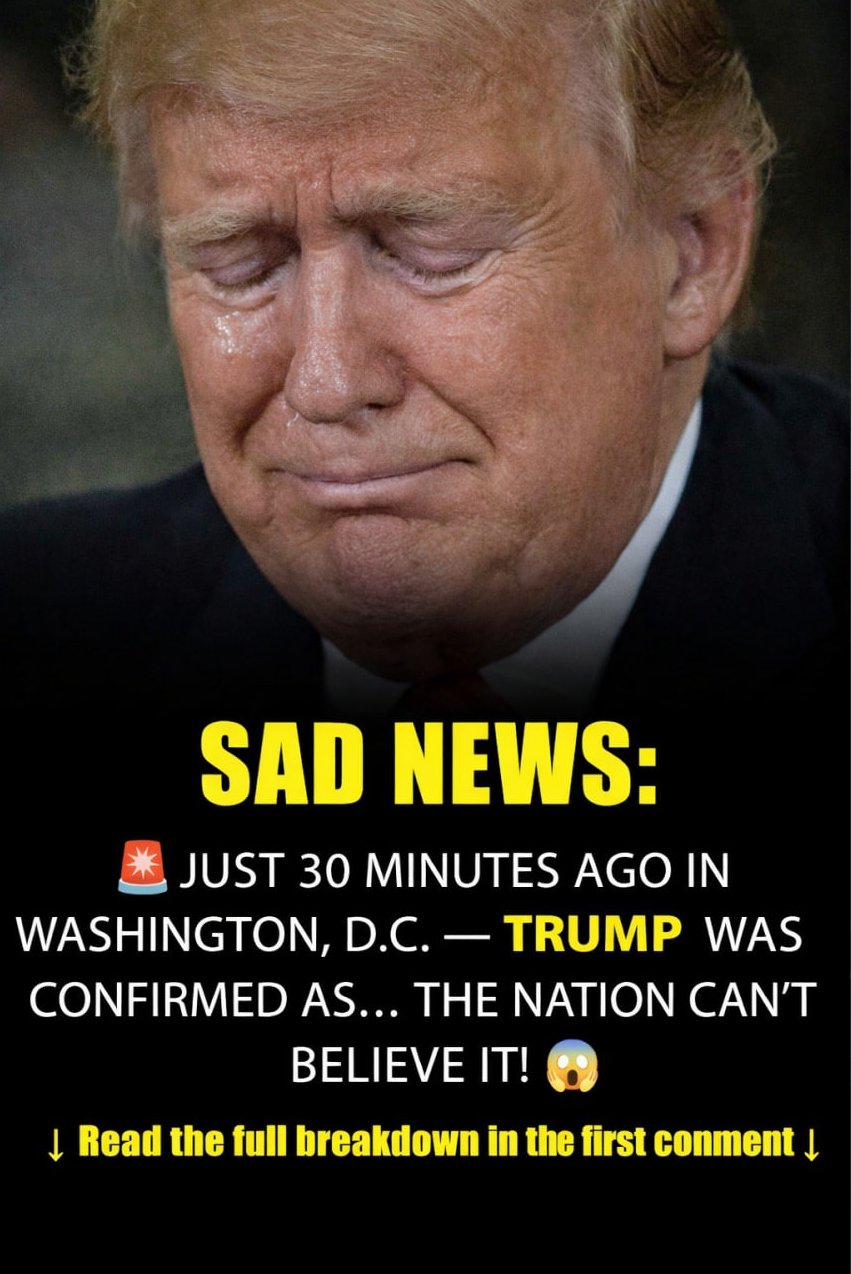
Trump’s quiet moment in Washington on March 9, 2026, caught many by surprise. No rallies. No cameras flashing. No bold statements. Just thirty minutes of stillness in the capital’s usual rush. Observers called it subtle yet powerful. For a man known for constant motion, this pause felt different. It offered a rare glimpse of reflection after years of high-stakes action.
People saw more than a break in routine. The moment showed a shift—from shaping events to facing their long-term results. Power always ends. Its effects last. In this short window, Donald Trump stood alone with consequence. Below, we explore why this pause stood out and what it reveals about leadership today.
Why the Silence Felt So Different
Donald Trump built his public life on energy and momentum. Rallies drew thousands. Tweets shaped headlines. Bold moves defined his style. Yet on that March morning, he simply stood. No defense. No attack. No crowd.
Analysts noticed a change in posture. The usual certainty softened. His expression carried visible weight. This was not defeat or surrender. It was recognition. Choices made in office now belong to history. Legal cases continue. Policy effects unfold. Public memory settles. None of it waits for a response anymore.
From years of watching leaders in Washington, I can tell you these quiet beats often reveal the most. They strip away the performance. They show a person alone with reality. Supporters read resolve. Critics saw vulnerability. Everyone projected meaning onto the silence.
The Lasting Weight of Past Decisions
Trump’s presidency changed many parts of American life. Tax cuts reshaped the economy. Trade deals altered global patterns. Supreme Court picks influenced decades of law. Foreign policy moves still echo today.
The stillness reminded everyone of a basic truth. Leaders leave marks that outlast their time. Laws stay on the books. Court rulings guide future cases. Public trust rises or falls based on what people remember. Trump knows this better than most.
He faced constant scrutiny—investigations, impeachments, endless media coverage. Yet he kept moving forward. That relentless drive made the sudden pause feel even more striking.
Leadership After the Spotlight Fades
Most former presidents step back from daily battles. They write books, give speeches, or pursue quiet projects. Trump chose a different path. He ran again, won again, and governed again. The pattern broke that morning.
This moment highlighted a universal rule. Power is temporary. Legacy is permanent. Every decision carries forward. Some build strength. Others create challenges. Future generations judge the full record.
Other presidents—Bush, Obama, Clinton—faced similar transitions. They learned history rarely forgives shortcuts. Trump now stands at the same point. The quiet did not signal surrender. It showed awareness.
How Washington and the Public Reacted
The capital rarely slows down. Motorcades move. Reporters shout questions. Staffers rush between meetings. That morning felt different. The absence of noise made the moment heavier.
People nearby noticed the change. Some whispered. Others watched in silence. Phones stayed in pockets. No one rushed to capture it for clicks. The restraint matched the mood.
Online, reactions grew quickly. Supporters called it dignity under pressure. Critics saw reflection on past choices. Both sides agreed: something real happened.
What This Means for the Future
Quiet moments rarely make headlines. They lack drama. Yet they shape how we remember leaders. Historians study pauses as much as speeches. They search for unscripted truth.
For Trump, this threshold may define more than any rally. It shows a man who shaped an era now facing its full weight. The era did not end with fanfare. It settled quietly. In that settling, meaning began to take root.
Americans will keep debating his record for years. Some will praise bold moves. Others will point to division. The conversation will outlast us all.
Have you noticed similar quiet moments with other leaders? Do they change how you view their time in power? Share your thoughts below.
For deeper reading, check the Bush Center archives or the Miller Center Presidential History Project. Related articles: How Leaders Face Their Legacy or Washington’s Quiet Days.
Meta description: Trump’s quiet moment in Washington on March 9, 2026 showed rare reflection. Discover why this stillness matters more than any speech. Read the full analysis now. (139 characters)