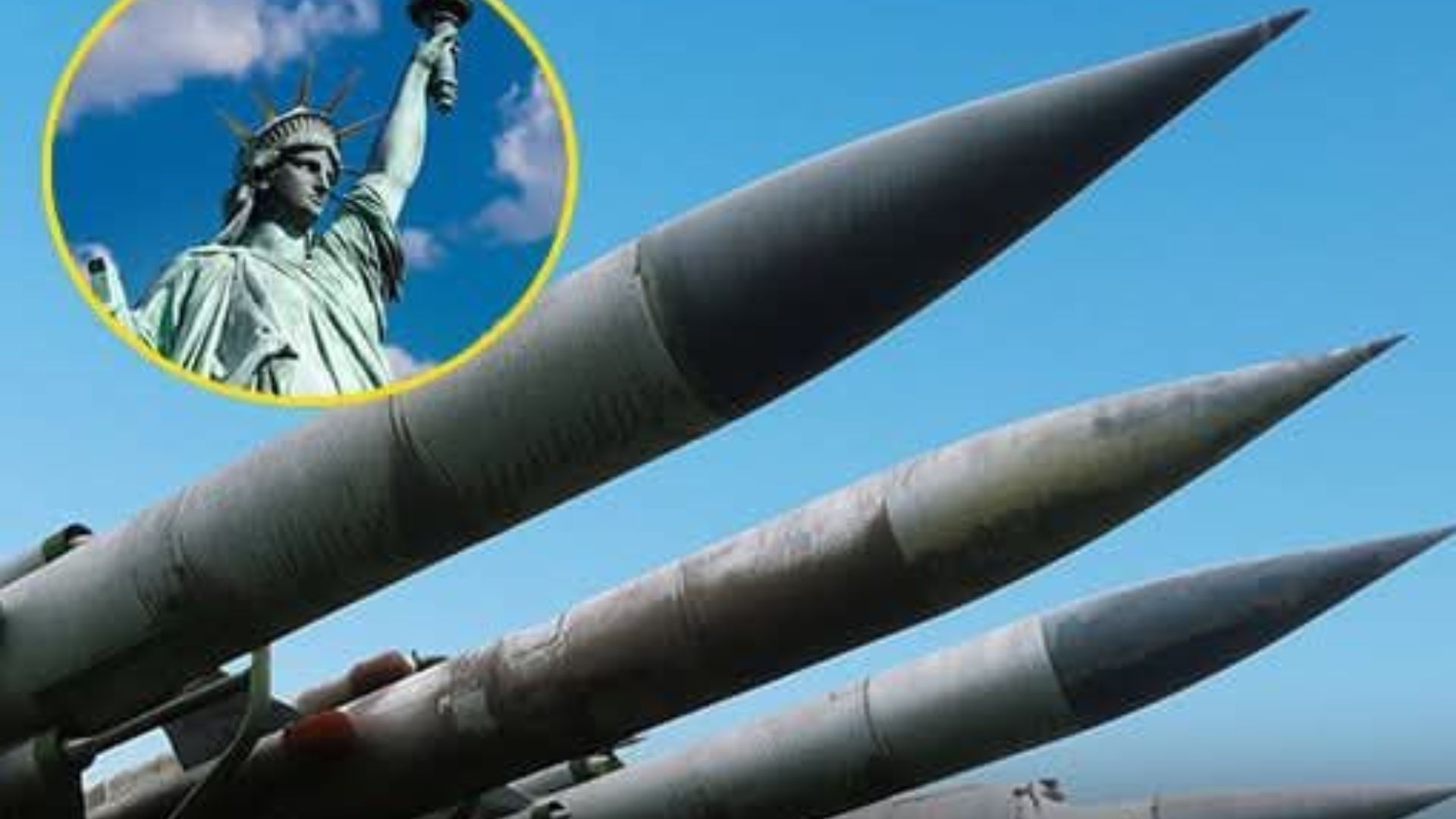
Nuclear War Targets and Rising Global Tensions
Fear of major conflict often develops quietly. It grows through diplomatic threats, news alerts, and rising global instability.
In recent years, anxiety has increased as alliances shift and political rhetoric intensifies. Many observers now question whether the current global order remains stable.
Part of the political messaging surrounding the return of Donald Trump to the White House focused on avoiding prolonged foreign wars. The message appealed to a public tired of long military conflicts.
However, analysts have noted developments that raised concerns. These include pressure related to Venezuela, strong rhetoric toward Iran, and repeated comments about acquiring Greenland.
Experts Explain Potential Nuclear War Targets
Discussion about nuclear war targets intensified as public concern about global conflict grew. Many people now ask not only if conflict could occur but what it might look like.
That shift reflects deeper uncertainty about systems designed to prevent escalation. As a result, analysts have begun outlining possible strategic scenarios.
In 2025, nuclear historian Alex Wellerstein from Stevens Institute of Technology discussed how nuclear strikes would likely be planned. According to Wellerstein, attackers would prioritize disabling an opponent’s ability to respond.
He explained that command centers and missile sites would likely become the first nuclear war targets. In contrast, rogue actors might focus on population centers or symbolic locations.
U.S. Cities Near Key Military Installations
Strategic military infrastructure places several smaller American cities near potential nuclear war targets. These locations hold importance despite their relatively small populations.
For example, Great Falls sits near Malmstrom Air Force Base, which controls hundreds of nuclear missile silos. Its proximity to this facility could make it a strategic target.
Similarly, Cheyenne lies near Francis E. Warren Air Force Base. This base is another critical component of the U.S. nuclear missile command system.
In Utah, the cities of Ogden and Clearfield are close to Hill Air Force Base. The installation plays a major role in nuclear weapons storage and aircraft maintenance.
Further south, Shreveport is located near Barksdale Air Force Base. The base houses B-52 bombers capable of carrying nuclear weapons.
Strategic Command Centers and Major Cities
Several other American cities appear on potential nuclear war targets lists because of strategic command roles. Honolulu remains important due to its concentration of naval and air forces.
The legacy of Attack on Pearl Harbor continues to influence military planning in Hawaii. The region remains a key point in Pacific defense strategy.
In the central United States, Omaha sits near Offutt Air Force Base. The base plays a central role in U.S. nuclear command operations.
Nearby Colorado Springs hosts North American Aerospace Defense Command, commonly known as NORAD. The organization is responsible for defending North American airspace.
Additionally, Albuquerque contains Kirtland Air Force Base. The installation holds one of the largest concentrations of nuclear weapons infrastructure in North America.
Major Population Centers Also Face Risk
While military sites are primary nuclear war targets, some major cities appear on vulnerability lists for different reasons. Political, economic, and population factors also influence targeting strategies.
For example, Washington, D.C. represents the nation’s political center. Meanwhile, Seattle sits near a major naval base and global shipping hub.
Large metropolitan areas such as San Francisco, Houston, Chicago, Los Angeles, and New York City carry major economic influence. Damage to these cities could disrupt markets and infrastructure worldwide.
Experts emphasize that nuclear war remains unlikely. Deterrence systems, treaties, and diplomatic efforts still serve as powerful safeguards.
However, the discussion itself reflects growing public concern. The debate highlights how closely civilian communities and military strategy remain connected.