The Shocking Destruction of the American Troop Carrier: A New Era of Warfare?

In a world where military simulations blur the lines between reality and fiction, a recent event has sent shockwaves through the global community.
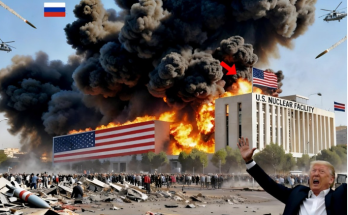
A colossal American troop carrier, once a symbol of military might, has been obliterated in a stunning attack by Russian Yak-141 fighter jets.
This incident, which unfolded just two hours ago, is not merely a figment of imagination but a vivid portrayal of what modern warfare could look like in a simulated environment.
As the dust settles on this virtual battlefield, the implications of this attack are profound.
The American troop carrier, laden with soldiers and supplies, became the target of an unexpected aerial assault that many did not see coming.
The Yak-141s, known for their speed and agility, executed a flawless strike that left the carrier in ruins.
Eyewitness accounts from within the simulation reveal a chaotic scene, with explosions lighting up the sky and echoes of destruction reverberating through the digital landscape.
The video showcasing this event is a masterpiece of military simulation, crafted within the confines of Arma 3, a game revered for its realistic portrayal of combat scenarios.
It serves as a stark reminder of the tensions that simmer beneath the surface between global superpowers.
The creators of this simulation have masterfully designed scenarios that resonate with current geopolitical realities, allowing players to engage in battles that feel all too real.
In the aftermath of this dramatic attack, the psychological impact on the players involved cannot be understated.
Soldiers, portrayed by gamers, found themselves grappling with the chaos of war, experiencing a range of emotions from fear to adrenaline-fueled excitement.
The realism of the simulation drew them into a world where every decision could mean the difference between victory and defeat.
The visceral nature of the gameplay mirrors the unpredictability of actual combat, making it a powerful tool for both entertainment and education.
As the battle rages on, the stakes continue to rise.
The American response is swift and calculated, with a massive airstrike planned to retaliate against the aggressors.
Military strategists within the game are tasked with coordinating a response that not only seeks revenge but also aims to reclaim the narrative of power.
The tension builds as players strategize, drawing on historical tactics and modern warfare techniques to outmaneuver their opponents.
This simulation does more than just entertain; it serves as a commentary on the state of modern warfare.
The seamless integration of heavy tanks, attack helicopters, and advanced fighter jets creates a narrative that reflects the complexities of military engagements in the 21st century.
Each encounter is meticulously crafted, showcasing the intricacies of urban combat, mountainous terrains, and layered tactical approaches that challenge even the most seasoned players.
In a twist of fate, the Russian forces, portrayed with a chilling efficiency, execute a coordinated attack that leaves the American troops scrambling for cover.
The gameplay highlights the vulnerability of even the most formidable military assets when faced with a well-planned assault.
As the simulation unfolds, players are forced to confront the harsh realities of warfare, where strategy and execution are paramount.
The emotional weight of this virtual conflict resonates deeply with participants.
As players navigate the chaos, they encounter moments of heroism and sacrifice, mirroring the experiences of real soldiers.
The narrative is rich with character development, as each player embodies their role, forging connections with their comrades and feeling the weight of their responsibilities.
In the backdrop of this simulated warfare, the creators have woven a rich tapestry of storytelling, drawing players into a world where every action has consequences.
The American troops, once confident in their superiority, now find themselves at a crossroads, questioning their strategies and alliances.
The simulation serves as a mirror, reflecting the uncertainties of international relations and the precarious balance of power.
As the battle reaches its climax, the question lingers: what does this mean for the future of warfare? The implications of such simulations extend beyond entertainment; they offer a glimpse into the potential realities of conflict.
The creators have tapped into a vein of cultural commentary, prompting discussions about the ethics of war, the role of technology in combat, and the psychological toll on those who engage in these virtual battles.
In conclusion, the destruction of the American troop carrier is not just a moment of shock; it is a catalyst for conversation and reflection.
As players log off from their immersive experiences, they carry with them the weight of what they have witnessed.
The lines between reality and simulation blur, leaving us to ponder the true nature of warfare in a world where technology reigns supreme.
This incident serves as a wake-up call, reminding us that while we may engage in virtual battles, the consequences of war are all too real.
The military simulation community has sparked a dialogue that will resonate for years to come, inviting us to reflect on the past, confront the present, and anticipate the future of conflict.
As we navigate this new era of warfare, one thing is certain: the battles we fight, whether in simulations or reality, shape our understanding of power, strategy, and the human experience.
The world watches closely as we step into uncharted territory, where every decision can lead to unforeseen consequences.